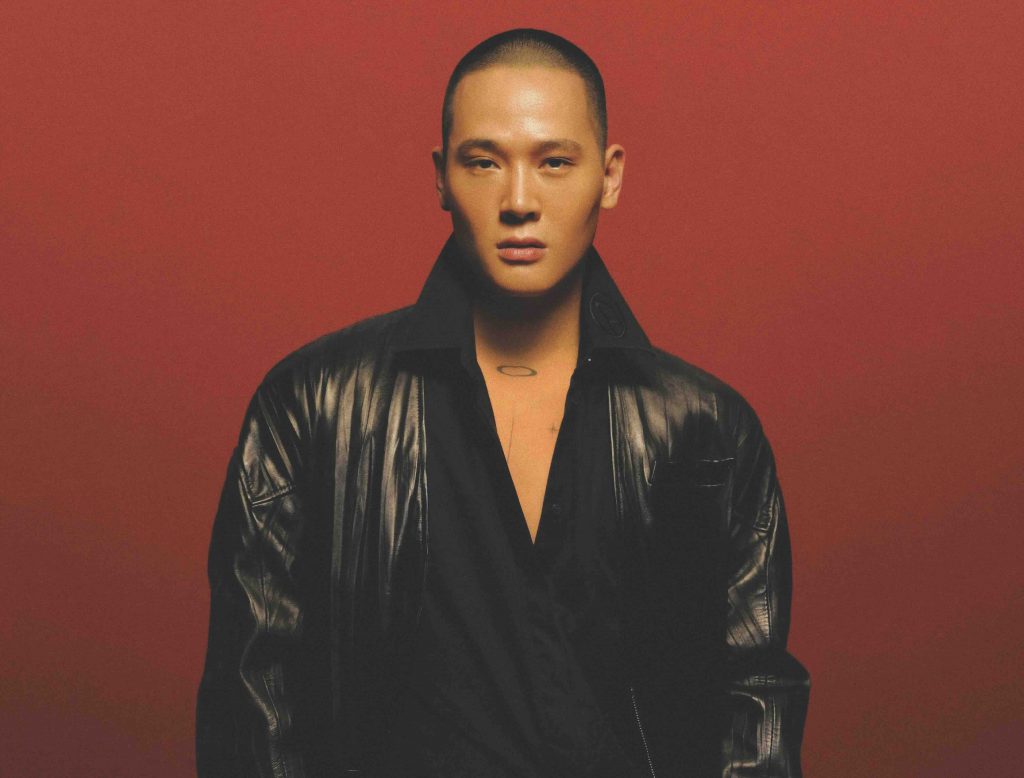
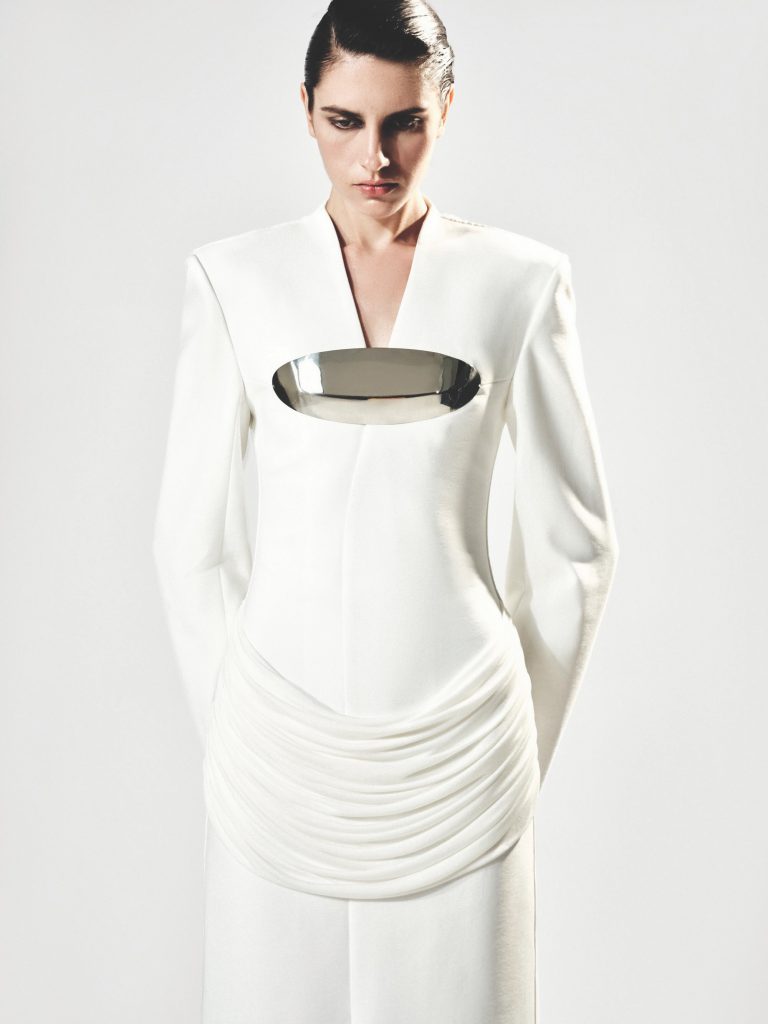
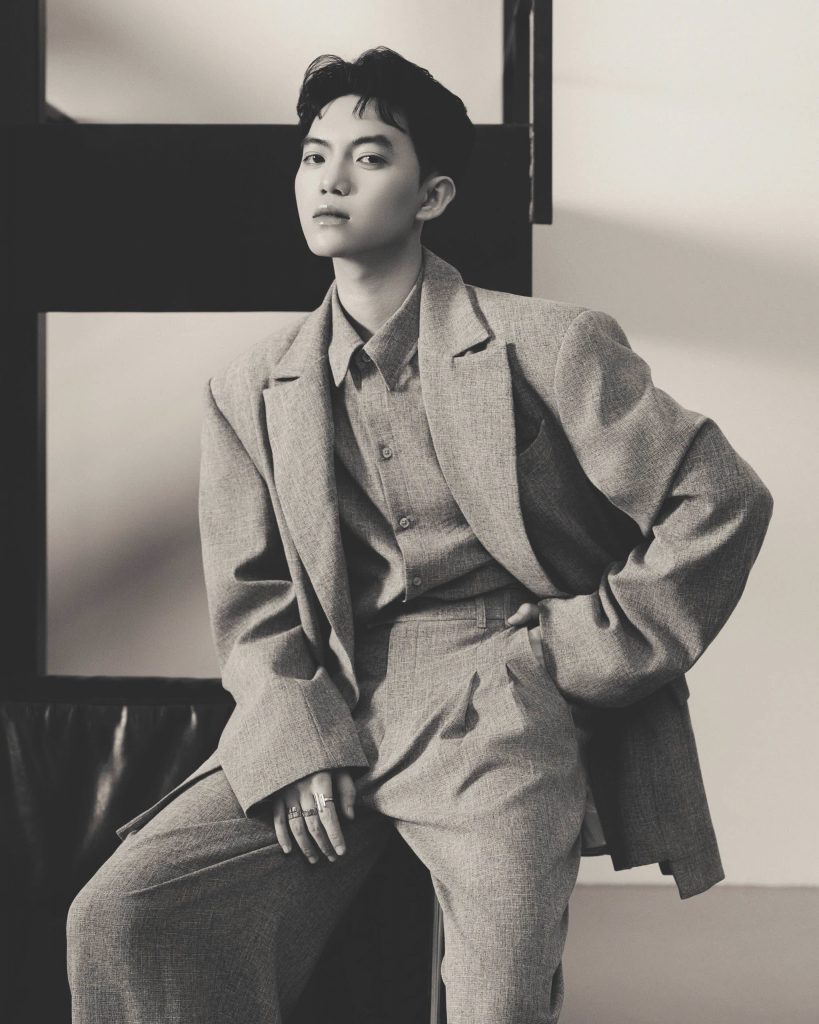
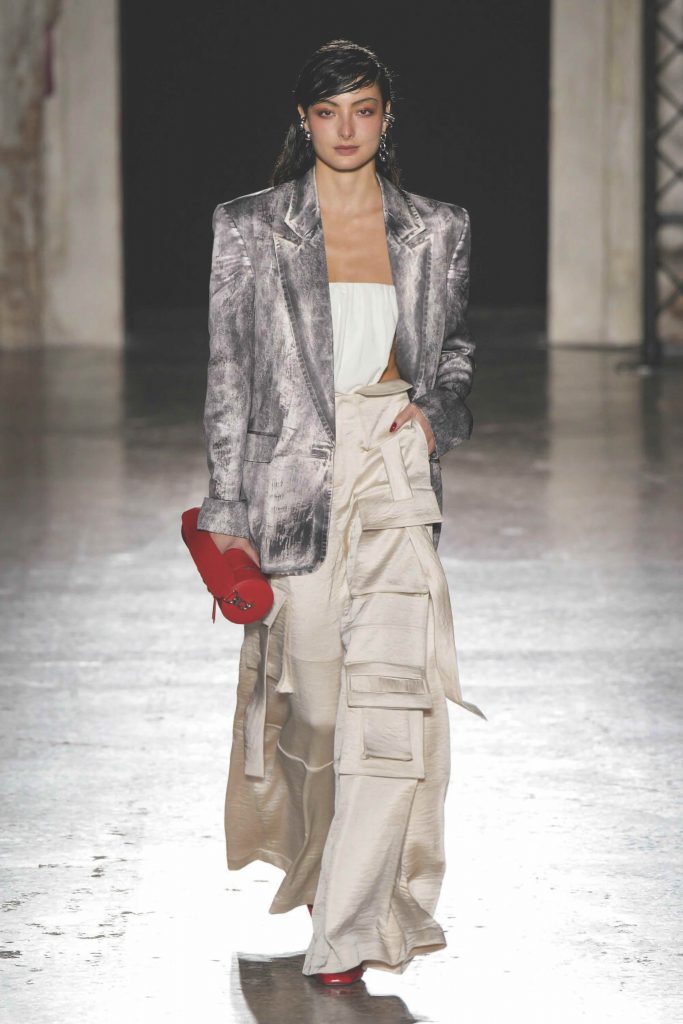
A logo for a chart-topping hip-hop album, a deliberately messy title scrawled across a record cover, or a handwritten mark that feels both raw and alive. Behind many of these visuals is Duong Nguyen, a Vietnamese-American lettering and typography designer based in Los Angeles whose work has helped shape the visual language of a generation of artists, from Kanye West, Playboi Carti, and Kendrick Lamar to A$AP Rocky, Bad Bunny, and Juice WRLD.
Story: Quoc ThaiPhotos: Provided by Duong Nguyen
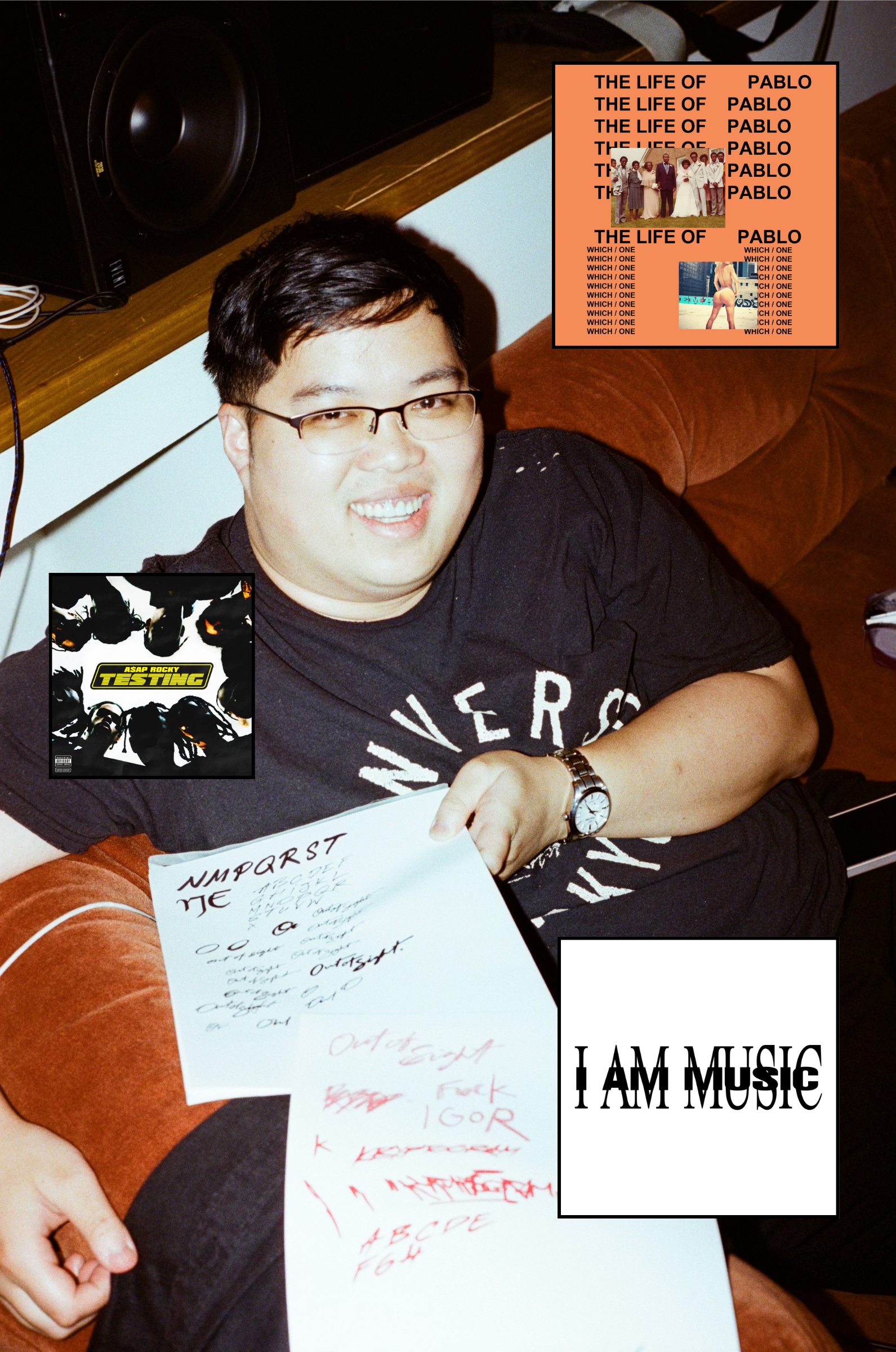
Among the endless stream of images that flash across our screens each day, there are certain letterforms that people recognise instantly, even if they have no idea who created them. A logo for a chart-topping hip-hop album, a deliberately messy title scrawled across a record cover, or a handwritten mark that feels both raw and alive. Behind many of these visuals is Duong Nguyen, a Vietnamese-American lettering and typography designer based in Los Angeles whose work has helped shape the visual language of a generation of artists, from Kanye West, Playboi Carti, and Kendrick Lamar to A$AP Rocky, Bad Bunny, and Juice WRLD.
The surprising thing is that Duong rarely talks about any of those names.
Throughout our conversation, he spent far more time discussing coffee, video games, favourite pens, and the Vietnamese language than he did celebrity clients. “I like being interviewed by Asian people more,” he laughed at the start of our call. “A lot of people only want to ask about the rap projects. But that's just work. I'm pretty different outside of that.”
At 29, Duong is juggling more than 30 projects at once. His lifestyle runs counter to the image many people have of a professional designer. He doesn't wake up early. He doesn't work traditional office hours. Instead, his most productive hours fall between midnight and three in the morning. “I realised that's when I get into flow state. My best ideas always happen during that time.” Daytime is reserved for emails, meetings, and technical tasks. Nighttime is when the lettering begins.
While many younger designers have moved entirely into digital workflows, Duong remains deeply attached to pens, ink, paper, and physical surfaces. He experiments, stains pages with ink, and sketches by hand before scanning everything into a computer for further refinement. The process may take longer, but in exchange it gives him something he believes technology still cannot replicate. To him, the computer is simply a finishing tool. The expressive essence always comes from the hand. His lettering often carries smudges, tremors, imperfections, and a sense of roughness. Yet it is precisely those imperfections that make the work feel alive. “I like things with texture, grain, and human traces,” he said. “When things get too clean, sometimes they lose emotion.”
Outside of design, Duong is equally known among friends for his love of coffee. There is almost always a cup somewhere on his desk, and his phone contains an ever-growing list of cafés he hopes to visit one day. Although he has not returned to Vietnam in sixteen years, since he was thirteen years old, he still closely follows the country's rapidly evolving coffee culture.
“I've already saved a lot of coffee shops in Vietnam,” he said. “There's so much I want to see when I go back.” In Duong's imagination, present-day Vietnam appears through newly opened cafés, independent fashion stores, and a creative scene that seems to be constantly evolving. It is a version of Vietnam he has not yet witnessed firsthand, but one he remains deeply curious about from afar. His connection to the country does not come from having grown up there. Duong was born and raised in the United States. Yet Vietnamese has always been present in his household.
“My dad speaks English, but he still always speaks Vietnamese. My mom almost only speaks Vietnamese.”
It creates a feeling familiar to many members of the Vietnamese diaspora: living between two languages, two value systems, and sometimes two versions of oneself. “When I speak Vietnamese, I feel like a different person,” he said. “That language pulls out parts of my personality that English doesn't.”
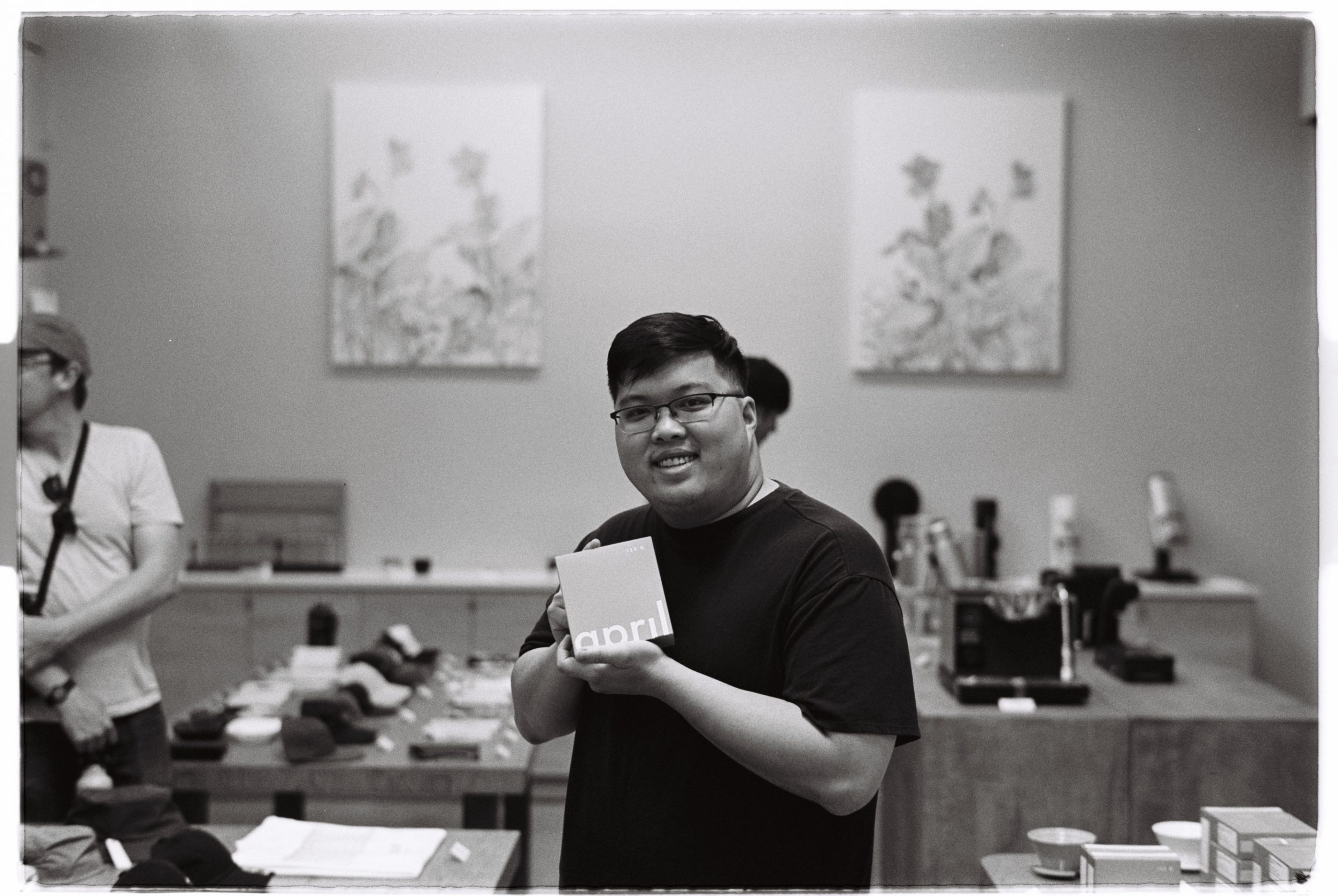
Family memories are also where Duong sees the clearest traces of his upbringing. He laughed while describing the familiar image of a traditional Vietnamese mother who dreams of her children becoming doctors, lawyers, or pursuing similarly stable careers. “Design was never part of the conversation.” The early years were not easy. Like many children of Asian immigrant families, artistic success felt difficult to explain compared to professions considered secure or respectable. Duong remembers being told that he would never make a living through design. Then one day, his work appeared on billboards in the real world. “When they saw it existing out there, that's when it became real.” It was the moment when the distance between personal passion and family recognition began to narrow.
Despite having worked with some of the world's biggest artists, Duong still carries the curiosity of someone who feels he is learning. Throughout our conversation, he spoke more about pens, sketchbooks, and process than about famous collaborators. Perhaps what drives him is not fame, but the thrill of discovery. “I always want to create something that nobody has done before.” That mindset appears everywhere— from gaming and music to typography itself. In a field where trends change constantly and imitation is inevitable, Duong continues to see originality as the strongest motivation to keep creating.
If typography is his profession, then coffee and food are perhaps his second great love. He can spend twenty minutes talking about a pour-over, a favourite restaurant, or a bowl of noodles with the same enthusiasm he brings to discussing design. “Food excites me,” he replied almost immediately when asked what still inspires him outside of typography. “Food brings people together.”
In Duong's mind, food and design have more in common than most people realise. Both begin with raw ingredients. Both rely on intuition, experimentation, and creativity. Most importantly, both have the power to connect people. And like many Vietnamese people living far from home, his memories of Vietnam are often tied to food more than anything else.
When the conversation shifted toward Vietnamese noodles, Duong immediately became animated. Asked about his favourite noodle dish, he burst out laughing. “Now that's the most important question today.”
After some deliberation, he placed bánh canh firmly at the top of his list. The thick, chewy noodles and rich broth remain among the flavours he loves most. Bún bò Huế is another longtime favourite, though recently he has found himself seeking out less mainstream dishes.
“I love bún riêu,” he said. “But there aren't many places near me that make it well. The broth is usually too clean. Bún riêu should feel rich and a little messy.” The answer sounded remarkably similar to his design philosophy. While many people chase perfection, Duong is drawn to things that retain a certain roughness, spontaneity, and evidence of the human hand. Perhaps that is why he gravitates toward a deeply flavoured bowl of bún riêu, a strong Vietnamese iced coffee, or an ink mark that remains imperfect on the page.
It has been sixteen years since Duong last returned to Vietnam. Yet through conversations with family in Vietnamese, coffee shops saved on his phone, and even friendly debates about whether bánh canh or bún riêu deserves the top spot, home never seems very far away.
Perhaps on his next visit, among the streets, cafés, and creative communities he has followed from across the Pacific, Duong Nguyen will find inspiration for a new set of letterforms. Letterforms that carry both Los Angeles and Vietnam. Both the digital world and the distinctly human traces of ink, paper, and time.[hoasen]
A journey to Tanzania brings unforgettable encounters with local culture and timeless nature.
Story: Thu HoaPhotos: Thu Hoa, Quynh Anh, Tuan Viet, Peter
A journey to Tanzania brings unforgettable encounters with local culture and timeless nature.
Tanzania, a vast country in East Africa that is three times the size of Vietnam with only half the population, prides itself on its abundance of superlatives in Africa: Mount Kilimanjaro, the roof of Africa; Victoria Lake, the largest freshwater lake; Selous Animal Reserve (named after adventurer Frederick Selous), with the largest number of protected animals in Africa; and Serengeti as the most fantastic destination for those who want to marvel at the authentic wildlife. However, what sparked my decision to visit this fascinating land was far simpler: a movie quote, from the Oscar-winning film “Cabaret,” in which one character promises: “I will take you Tanzania to watch flamingos cloud the sunset sky. There is nothing more beautiful in this world.”
Visiting Africa had also been a childhood dream when I read “In Desert and Wilderness” by Polish writer Sienkiewicz. It seemed so distant, but at the same time was surprisingly accessible. With passports and certificates of yellow fever vaccination, my friends and I took a direct flight from Hanoi to Nairobi, Kenya and connected there for another flight to Arusha City in the north, also known as the gateway to Tanzania. The duration of both flights was just about 9 hours, shorter than a trip to Europe.
In September of the dry season, Tanzania was not as hot as I had expected. The temperature was quite pleasant, hovering between 20 to 32oC. Our journey to explore Tanzania started with a jeep ride along a dirt road flanked by vast plateaus racing to infinity, with local Maasai in their red robes occasionally appearing and waving to us, heralding an exciting adventure ahead.
Meeting the Maasai
In the midst of our digital world, the Maasai tribe still live largely as they have for hundreds of years, when they migrated from the Nile delta to Tanzania and Kenya. Travelers can visit to catch a glimpse of their daily lives, and many can speak English thanks to their interactions with foreigners. A tribe famous for their unique customs and traditions in Africa, the Maasai believe that they were created by gods to tend cattle. They live semi-nomadic, pastoral lives in low huts made of mud-coated bare branches and cow dung (it is believed that cow dung can keep mosquitoes and snakes at bay). Peeking into these simple homes, I couldn’t see much in the dim light; there were few possessions, just a hearth in the center, and small corners strewn with branches coated in a shroud used as their beds.
There are also famous for their adumu, or competitive jumping dance. A Maasai youngster missing a front tooth told us: “Our custom dictates that 16-year-old men are supposed to extract a front tooth to prove that they are full-grown. I can marry a number of women. The higher a man can jump the stronger he seems.”
Meeting Maasai women with shaved heads in blue outfits with lots of jewelry, and seeing tall men jumping as high as possible to welcome visitors, was a fascinating glimpse of a world unlike any I had encountered before.
Into the wild
While still an economically developing country, the government and people of Tanzania are vigilant about natural protection and preservation. Many reserves and national parks are incredible destinations, including Selous Hunting Animal Reserve, Gombe Stream National Park, Mt. Kilimanjaro, Mikumi, Ruaha and Serengeti. Our group decided to go to Ngorongoro Crater, a UNESCO Natural Heritage Reserve. It is world’s largest inactive and intact volcanic crater. Reaching a height of 2,000 meters, it measures 600 meters in depth, 22 kilometers in diameter and over 260 square kilometers in area, where wild animals gather all year round in the highest density worldwide.
Discovery and National Geographic channels, among many others, along with archeologists, writers, journalists and photographers have spent years and worked hard trying to zoom into the largely untouched lives of these wild creatures.
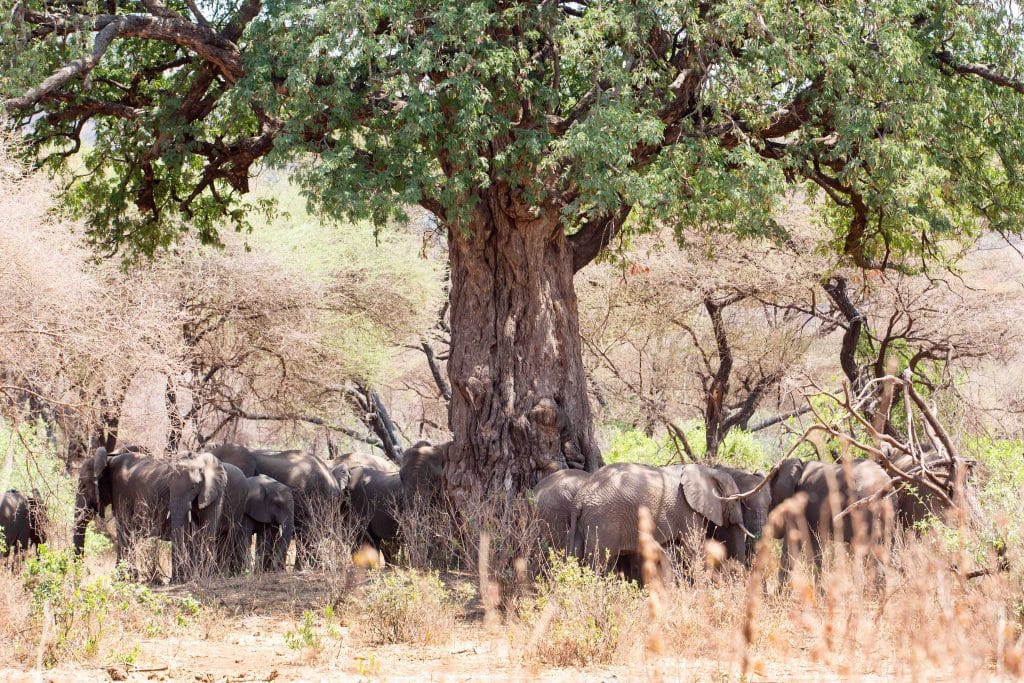
The landscape looked even more striking in person than on film. Greenery subsided up along the crater, giving rise to swarms of wild beasts rambling and idly savoring the serenity there. A family of lions could be seen slumbering under a perennial tree, while herds of antelopes grazed, and farther away, big throngs of elephants fetching water. Numerous animal species can be seen within this giant crater; from small creatures like birds (over 500 species) to giant beings including giraffes, elephants, hippos, rhinos, lions, leopards, cheetahs or zebras, it is estimated that 25,000 species are inhabiting there. Seated in a convertible jeep, we were brought closer to wild animals than I had ever been before, and watched them function in the wildlife: hunting, eating, sleeping and mating.
Finally, I was granted the scene that had sparked my curiosity to visit: Enormous flocks of tens of thousands of flamingos that reddened the entire saltwater lake of Manyara. Watching from the bank, the flamingos soared like countless rubies evaporating under the late sun. The dream came true, but our group still yearned for more time to take a closer look, and bring ourselves closer to such magic that the wild had to offer.
Packing up, we headed for Kenya to admire “the most spectacular migration on earth” in which millions of wildebeests cross Mara River from Kenya to Tanzania to seek new sources of food.[hoasen]
Drawing from the spirit of minimalism, stylist Freddy Nguyen presents a curated week of summer looks. Each outfit offers a distinct rhythm – blending understated elegance with a contemporary edge to turn every day into a refined expression of personal style.
Stylist FREDDY NGUYENStory PHUONG UYENPhotos INTERNET
Drawing from the spirit of minimalism, stylist Freddy Nguyen presents a curated week of summer looks. Each outfit offers a distinct rhythm – blending understated elegance with a contemporary edge to turn every day into a refined expression of personal style.The quiet elegance
Ease into the week with the timeless appeal of neutrals, particularly the classic interplay of black and white. Max Mara’s tailored silhouettes exude quiet sophistication, while bold accents – such as a sculptural necklace from Saint Laurent and statement pieces from Versace and Gucci – lend just the right amount of intrigue. A layered shirt and a subtle spritz of Orphéon by Diptyque soften the overall mood, delivering a look that is graceful, composed and confidently elegant.
A surge of freedom
As momentum builds, embrace the spirit of liberation with avant-garde tailoring by Balenciaga and Maison Margiela. Monochrome tones provide clarity, while bold structures introduce energy and form. Accessories – including Swarovski’s shimmering details, Gentle Monster eyewear and architectural heels by Charles & Keith – add flair without excess. Complete the look with Byredo’s Rose of No Man’s Land, a fragrance that feels both daring and poetic.
A whisper of seduction
Midweek invites a moment of playful boldness. A reimagined halter top, cropped trousers by Bonjour and Saint Laurent’s sheer lace tights compose a look that balances sensuality and sophistication. Jewelry from Rabanne and Coach introduces texture and attitude, while a compact Jacquemus bag and sleek heels maintain structure. Finish with the hypnotic depth of Tom Ford’s Fucking Fabulous – seductive, rich and unforgettable.
Ease in the breeze
Let Thursday bring a sense of freedom. Saint Laurent’s sharp tailoring meets the effortless ease of Louis Vuitton denim for a look that is grounded yet expressive. Crimson lips echoed in Jimmy Choo’s bold heels, alongside an embroidered blazer by Dolce & Gabbana, channels understated romance. Refined accessories from Parfois and a classic YSL bag provide balance, while Tom Ford’s Lost Cherry deepens the aesthetic with a touch of smoky sophistication.
The power of subtlety
Conclude the workweek with a quiet yet commanding presence. Stella McCartney’s sustainable tailoring in clean ivory tones sets the foundation for a composed look. Accessories – including THE ROW’s Margaux bag and modern lace-up heels from Fancì – introduce contrast and edge. A Burberry belt and Loewe earrings evoke a distinctly British sense of chic. A final note of Maison Francis Kurkdjian’s Baccarat Rouge 540 ties everything together in a fragrance as powerful as it is refined.
Twilight in motion
As dusk falls, let your evening look glow with warmth and intention. A slashed velvet gown in amber by YSL anchors the outfit with drama and grace. Statement earrings from Alaïa and a raffia clutch by Saint Laurent add texture and tonal harmony. A vintage CHANEL pendant or a piece by Daisy Molecule completes the look. For scent, Jo Malone’s English Pear & Sweet Pea offers a dreamy, airy, and unforgettable finish.
Serenity in style
Close the week with ease and intention. An off-shoulder white dress from Das La Vie paired with Salvatore Ferragamo sunglasses sets a tone of relaxed elegance. Accents from Versace, along with a crimson Harlee shoulder bag and coordinating red Prada heels, provide subtle drama. Kilian’s Voulez-vous coucher avec Moi leaves behind an elegant trail, turning even a quiet Sunday into a moment of self-celebration.[hoasen]
The traditional indigo dyeing methods of the highland regions and the use of fabric scraps from H’Mong traditional costumes are minimalist and “greening” approaches in indigenous fashion.
Story VU THAOPhotos JULIE VOLA, BENJAMIN REICH
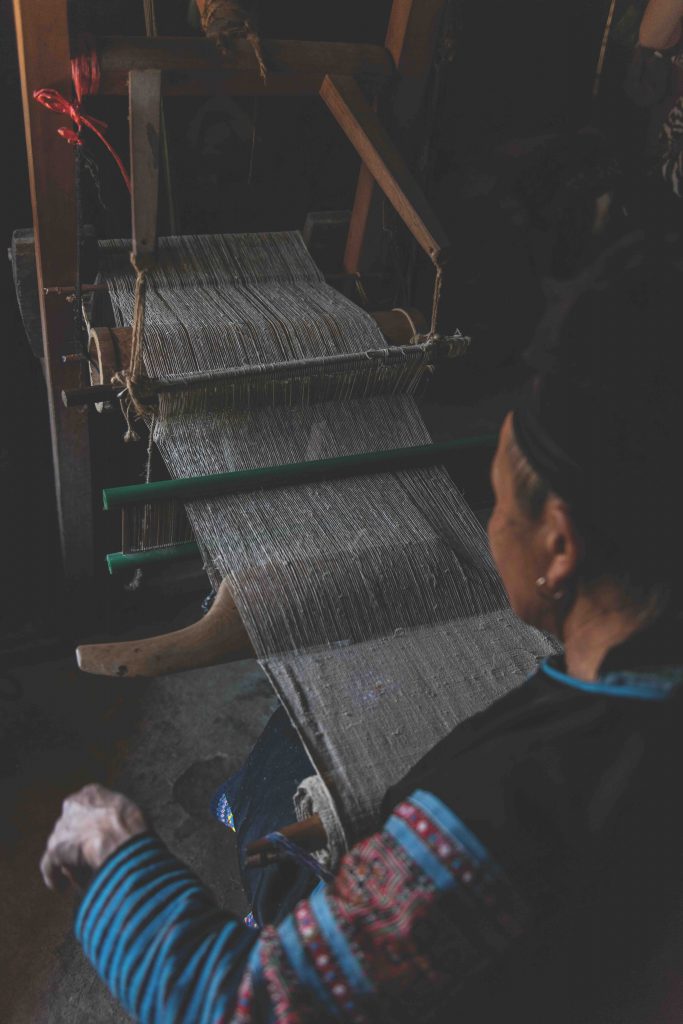
The traditional indigo dyeing methods of the highland regions and the use of fabric scraps from H’Mong traditional costumes are minimalist and “greening” approaches in indigenous fashion.The H’Mong’s indigo weaving technique requires high precision and meticulousnessLiving in harmony with nature
The H’Mong people are, first and foremost, outstanding farmers with a particularly rich repository of folk knowledge. In Vietnam, the H’Mong often reside in remote, mountainous areas with rugged terrain and harsh climates. Their agricultural and forestry practices depend heavily on the cycles of rain and sunshine. To manage and adapt to nature, the H’Mong have invented irrigation and cultivation techniques, with terraced fields perhaps the most vivid testament to their farming culture. Symbiotic cultivation is another way they maximize natural resources – raising livestock alongside crops, growing rice while raising fish or practicing crop rotation and intercropping.
The H’Mong possess a high degree of self-sufficiency in production and handicrafts. Their traditional costumes are made entirely from natural materials such as cotton, hemp and silk. They are known for having a long-standing tradition of weaving linen, also known as hemp fabric, which is highly valued among eco-friendly materials for its antibacterial, anti-mold properties, biodegradability and remarkable durability. Hemp plants are pest-resistant, require little water, can improve soil quality and are especially effective at absorbing emissions and converting biomass.
Indigo-colored footprints
Indigo dyeing plays a crucial role in coloring H’Mong attire. Indigo blue dominates the entire costume and serves as the perfect backdrop for other decorative techniques such as embroidery, beading, pom-poms, applique, patchwork, batik and fabric polishing. The H’Mong grow indigo plants in moist garden plots or upland fields. Many H’Mong groups take advantage of old forests, stream banks and valleys to cultivate indigo or let it grow wild. The most common indigo variety in H’Mong communities is the broad-leafed “cham Meo”, scientifically known as Strobilanthes cusia, also called “Assam indigo” or “rain bell indigo.”
Indigo plants are edible and widely used as medicine in East and Southeast Asia. Indigo leaves are brewed as tea and used to heal wounds, while indigo pigment is used in painting, decoration and even tattooing. Naturally dyed indigo fabric is antibacterial and highly durable; H’Mong indigo-dyed garments can last for decades, even up to a hundred years.
The H’Mong are known for having long-standing tradition of weaving linen
The H’Mong’s indigo extraction process, similar to that of many other ethnic minorities, involves fermentation, aeration with lime and filtration. Traditional indigo dyeing was done in wooden barrels or ceramic jars, but nowadays, plastic containers are often used. Their method of fermenting the dye vat is entirely organic, using natural indigo extract and a mixture of herbal water available locally, including aromatic leaves, lemongrass and even corn or rice wine. Maintaining a healthy fermentation culture in the dye vat is an art that requires skill and patience. The H’Mong indigo dyeing technique mainly involves repeatedly dipping the fabric, a labor-intensive process. To achieve a deep blue shade, artisans must dye the fabric for an entire month.
Zero-waste attire
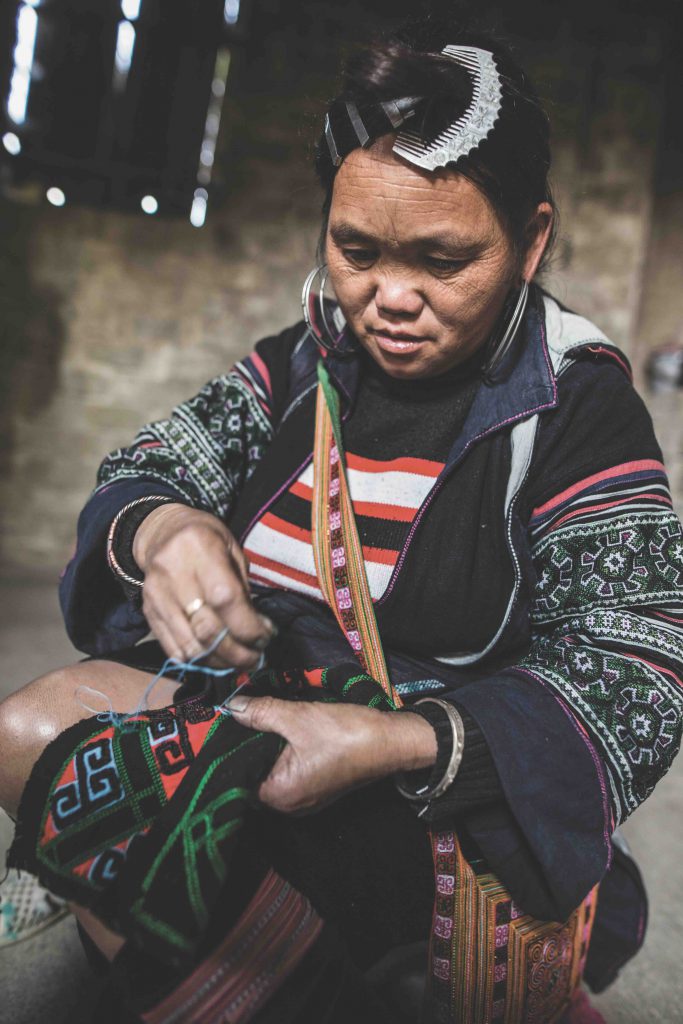
The H’Mong ethnic group consists of various branches – White H’Mong, Black H’Mong, Blue H’Mong, Red H’Mong, and Flower H’Mong – distinguished by the colors and features of their costumes. Each branch has its own unique traditional attire. A typical outfit includes: headscarf, hat, bib, blouse, jacket, skirt, trousers, leg wraps, bag and jewelry.
The H’Mong’s approach to cutting fabric is virtually waste-free, not discarding even a single scrap. Before cutting a new outfit, they carefully calculate the required amount of fabric. The standard width of H’Mong fabric is quite narrow, only 35 to 40 centimeters. As a result, the garment structure is not complicated; all pieces are cut in straight lines and sewn together. The H’Mong use fabric manipulation techniques to alter the appearance and feel of the material. Through folding, pleating, attaching, and patching, they transform flat fabric into three-dimensional forms or enhance visual effects through unique textures and shapes, creating movement on the body. An outfit may consist of more than a dozen parts, yet none are superfluous.
Each H’Mong costume is a statement. Their lifestyle – zero-waste, nature-based – permeates every fold, every stitch, every shade of indigo. In an era when fast fashion depletes resources, the “Blue Indigo Footprints” of the H’Mong – a footprint of living in harmony with nature – stands out as a cultural value worth learning from. It is not only a heritage, but also a sustainable future for humanity.[hoasen]
A multidimensional dialogue among three designers – different in generation and ego, yet united by a single goal: using the language of fashion to reconstruct creative thinking and preserve the cultural identity of Vietnam.
Story PHUONG UYEN, TUAN MINH
Photos INTERVIEWEES
Maximalism and minimalism – two seemingly opposing schools of design – now meet at a spiritual intersection, where art and culture blend together. This opens up a multidimensional dialogue among three designers – different in generation and ego, yet united by a single goal: using the language of fashion to reconstruct creative thinking and preserve the cultural identity of Vietnam.The designs showcased
in designer Mai Lam’s
Rung Mai runway showDesigner Mai Lam
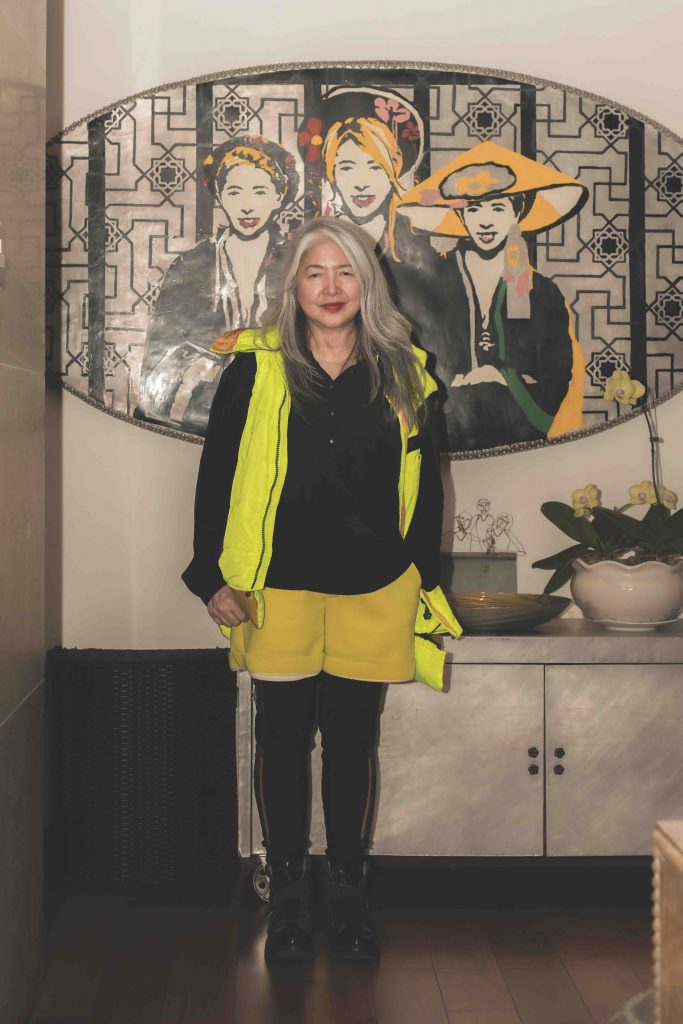
“I always live in my own imagination – a world I long to realize”, begins designer Mai Lam when talking about her creative journey. Yet her story cannot be confined to the title of “designer”; rather, she embodies an artist wholly immersed in the multifaceted world she has built for herself.
“It was the moment I caught the moonlight filtering through thick mist, casting shadows on the tender branches in Da Lat”, she describes a piece placed at her home’s entrance. For Mai Lam, the world of art is formed from such moments – dreamy, private, yet deeply real. She immerses herself in that world, where countless ideas are nurtured. “Everything I do feels natural. For me, creativity is a combination of imagination, observation, and reality”.
When working on a feature about the two design schools of “minimalism” and “maximalism,” we did not impose any framework, but simply sought to capture the true spirit of each character. That led to the question: “At what moment did you realize your design language leans toward ‘maximalism’?” She replied: “I have my own world, where everything can become art, without reason and without boundaries”.
Her creative sensibility is so multidimensional and free-spirited that, even without any formal fashion training or preliminary sketches, she can create a multitude of designs in a short time. “I find that drawing keeps changing, so I’d rather spend time making and feeling directly”, she adds. Sometimes she brushes the back of brocade fabric with a wire brush to create 3D texture; other times, she dyes fabric with coffee and tea to achieve deep tones. Thus, even though her designs may be densely detailed, her creative process is extremely streamlined, with just two steps: “think and do”. For her, “maximalism” is the right balance to express what she wants to say. “The wearer must feel the material melt into their skin, blending with their body”. This seemingly simple comfort is the aesthetic philosophy she pursues: “Beauty is not far away, but very close, in every seam, every sensation when you put on a garment”, she says.
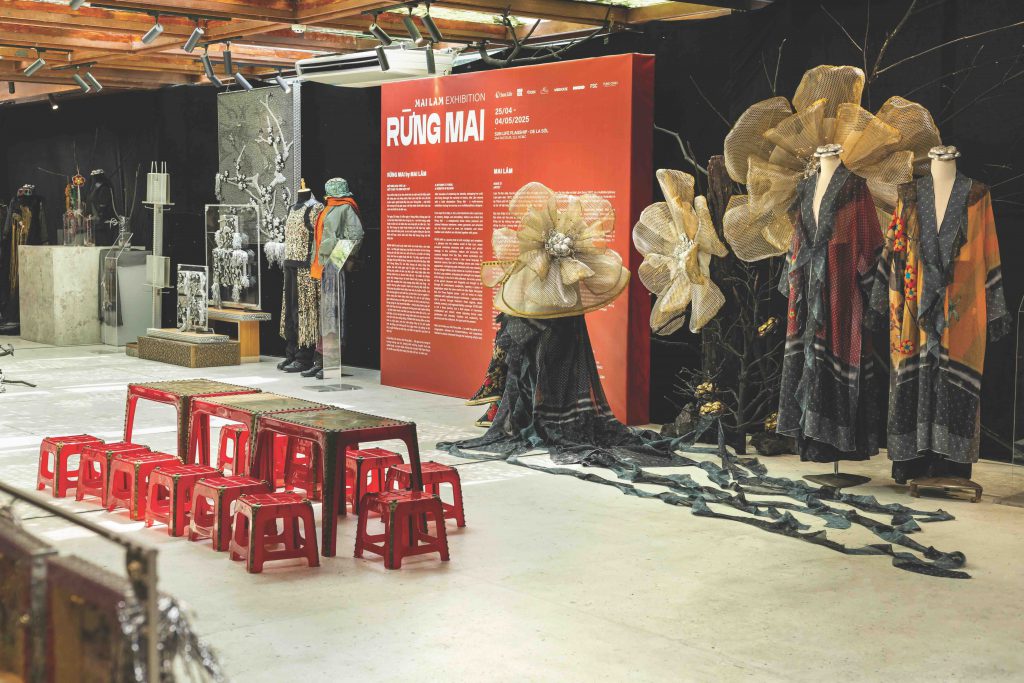
Rung Mai Exhibition by artist and designer Mai Lam
When asked how she conveys her ideas, she laughs: “Maybe it’s ‘innate’. I just explore what already exists around Vietnam. Some things are very rustic, but when brought into design, they somehow become magical”. For Mai Lam, ideas are pre-arranged in her mind, like a ready-made map – what is the main material, what is a detail, which part to cut, which to embroider... everything appears clearly whenever she creates. She jokes: “I’m lucky, whatever I touch just takes shape”. Even when a product is flawed, she doesn’t discard it, but gives it a new life. Perhaps this mindset is what brings flexibility to Mai Lam’s style. For her, fashion is not a fixed mold, but a free dialogue between things that seem irreconcilable.
“I have my own world, where everything can become art, without reason and without boundaries”
Her design language goes beyond pure beauty, always carrying memories of the turbulent changes in Vietnam’s history and society. For example, her recent collection Rung Mai was inspired by her work on costumes for the film Dia Dao (Tunnel). Those film scenes quietly evoked memories of her father migrating south during the Dien Bien era, and her cousin who sacrificed his life in the war. Instead of hiding her sorrow, she weaves it into layers of fabric tinged with the color of time. Culture is also the deepest layer of language in Mai Lam’s designs. She distills and preserves the soul, then combines it with modern techniques to reach today’s generation, because for her, it is not just an artistic game, but a journey of preserving memories through fashion.
“And what about the personal life of Mai Lam?” – “I let everything flow, but still observe, make use of, and balance things. I try to create a tidy, cozy space suitable for all family members. That is the true home we always want to return to”.
Creative Director Cuong Dam
consistently explores the
intersection of fashion
and sculptureCreative director, designer Cuong Dam
The inner world of Cuong Dam always echoes with the collisions between the two extremes of Minimalism and Maximalism. Looking at those intersections, he believes that things are no longer strictly right or wrong, sufficient or lacking; they are necessary carvings for us to understand the complexity of life more deeply.
For Cuong Dam, fashion is a touchpoint that allows him to feel the vibrancy between restraint and expression, between closure and openness. At the crossroads of these opposing schools, he chooses to be honest with his emotions and worldview, harmonizing both elements with a persistent belief: “Minimalism helps me stay clear-headed amid chaos, while maximalism keeps my life from becoming dull”.
It is easy to recognize a special “stillness” in Cuong’s creations – as if every cut and fold is considered like sculpting a block of stone. In fashion – where movement is essential, this stillness does not make the wearer stand still, but invites them to pause and listen. He designs like someone meditating, completely focused on balancing art and utility, between self and audience. When every element is restrained at the right moment, a calm beauty naturally emerges without ostentation.
In Cuong Dam’s philosophical space, minimalism is not about elimination, but a journey of acceptance and harmony – where every extreme has its place. Like entering PARAMOUNT – a sanctuary of the self-one no longer sees the world through the dualistic lens of right and wrong, but with a holistic view that embraces all inner contradictions. Cuong Dam designs with a deep intuition that “minimalism” must be nurtured from “maximalism”, from layers of emotion, memory, and ego. Clean cuts do not erase complexity, but cherish it through restraint.
A design from
Cuong Dam’s brand new Luminheart collection
Minimalism, in his hands, is no longer just a style but becomes a method of healing – where every fold, every blank space in the material contains a sigh that has been soothed. These designs are not cold, but meditative. Light is filtered through each layer of fabric, and the body returns to a tranquil state; as if each outfit is an inner space constructed – minimal in form, maximal in depth. Cuong Dam opens up a new perspective on beauty: it is the beauty of reconciliation. When fashion is no longer a mask, but a mirror – where one meets oneself, whole and without judgment.
What is special about Cuong Dam is also how he brings culture into fashion. Not by directly recounting the past, but by “condensing” that cultural spirit into a symbol, an emotion. For him, reduction is cutting away. But condensation is retaining – like the essential oil of memory. It could be a silhouette reminiscent of traditional attire, or materials echoing the North with lacquer and gold leaf; all are distilled just enough to create identity, but not make viewers feel lost in modernity.
Cuong Dam does not claim to belong to any specific “school”. But through each collection, one can see a gradually forming aspiration – a unique path called “Minimal for the Maximal”. There, minimalism is not the destination, but the means to explore something more important: depth of thought. He does not choose to shout in the crowd, but quietly stands – steady, distinct, enough to make people turn and look. Perhaps, in an era where everyone tries to “say more”, silence – if refined enough, is the most profound declaration.
“Minimalism helps me stay clear-headed amid chaos, while maximalism keeps my life from becoming dull”Young designer
Phan Dang Hoang
embraces a bold new
spirit of experimentationDesigner Phan Dang Hoang
In the creative world of Phan Dang Hoang, fashion is no longer a place to draw rigid boundaries between schools of thought, but a land of convergence – where opposites like minimalism and maximalism do not confront each other, but instead coexist, interact, and complement one another in every cut and every layer of fabric. He does not choose to stand on any one side absolutely, but instead crafts a visual journey where restraint meets freedom, where rustic tradition is woven into a contemporary form, tinged with a breath of international spirit.
Born into a family with a tradition in painting, Hoang grew up surrounded by layers of color and emotional depth. Names like Le Pho, Le Thi Luu, Nguyen Phan Chanh, or the humble do paper itself, have nurtured in him a persistent aesthetic sensitivity. But instead of repeating the past as pure reverence, Hoang chooses to “distill memory”, filtering the spirit of tradition and then placing it into contemporary, personal forms.
From this perspective, minimalism and maximalism cease to be two poles of choice, but become two coexisting methods of expression in his design philosophy. Simplicity, for Hoang, is the result of an extremely complex and sophisticated process. To create a minimalist design, the designer cannot be simple-minded; on the contrary, it requires perfectionism in every stitch, every structure, and the overall rhythm. Minimalism, in Hoang’s eyes, is a way of maximizing thought and optimizing the message.
The design from
the Ceramics
collection marks
the brand’s first
show in Italy
This spirit is clearly shown in his handling of materials; he constantly seeks out fabrics that are not only expressive but also rich in cultural depth. From muslin silk, ramie silk, chiffon, bamboo, to denim and leather – each material is its own “language”, helping to reimagine the beauty of Vietnamese tradition through a modern lens. The rusticity of muslin silk evokes the fibers of dó paper, the transparency of chiffon resembles a thin veil of mist over silk paintings, while the strength of denim and leather creates a bold dialogue with the fragility of ancient ceramics. Through meticulous technique and the ability to listen to the materials, Hoang tells stories not only with form, but also with tactile surfaces, light, and the resonances of culture. Each design is a structure of intersection – where the local spirit is distilled through the global language.
On the other hand, “maximalism” – with its density of details, materials, and symbols – does not equate to ostentation or visual overload. It must be “orchestrated”, just as Hoang constructs the image of women in his designs: multidimensional, sensitive, rich in symbolism but never chaotic. Images of his grandmother, mother, and the women around him – both as roots and as inspiration – emerge in each collection as a silent yet profound tribute.
This sense of balance is not only an aesthetic choice, but also a design identity. It arises from Hoang himself – a creative personality who values meticulousness and respects values cultivated over time, but is also unafraid to experiment, expand, and break formal limits. Each collection, as he shares, is its own “universe”, where seemingly contradictory elements are arranged in harmony and with intention.
In the flow of modern fashion – where boundaries are increasingly blurred – the choice to harmonize “less” and “more” is not a compromise, but an expression of flexible thinking, attentive to the times while still preserving one’s roots. Hoang does not define himself within a specific school; he chooses to be a storyteller – narrating either through the quiet of a refined detail or the resonance of a sophisticated structure, always aiming to deliver a message to the hearts of his audience.
If he were to be transformed into an object, Hoang would choose the image of a chair – a seemingly simple item, yet foundational for all interaction, for rest, and for creativity. And like that very chair, Phan Dang Hoang does not seek to impress with flamboyance, but with a presence that is whole, steady, versatile, and always embraces both rusticity and boldness within a single form.
“Minimalism does not take away from opulence; it is the reduction of unnecessary detail based on careful calculation. For hoang, that calculation is maximal”[hoasen]
As the “quiet luxury” fad begins to fade into another passing aesthetic, the minimalist spirit quietly reasserts its place: not as a trend, but as a way of life. To simplify is not to subtract meaning, but to refine it.
Story MINH NHAT
Photos INTERNET
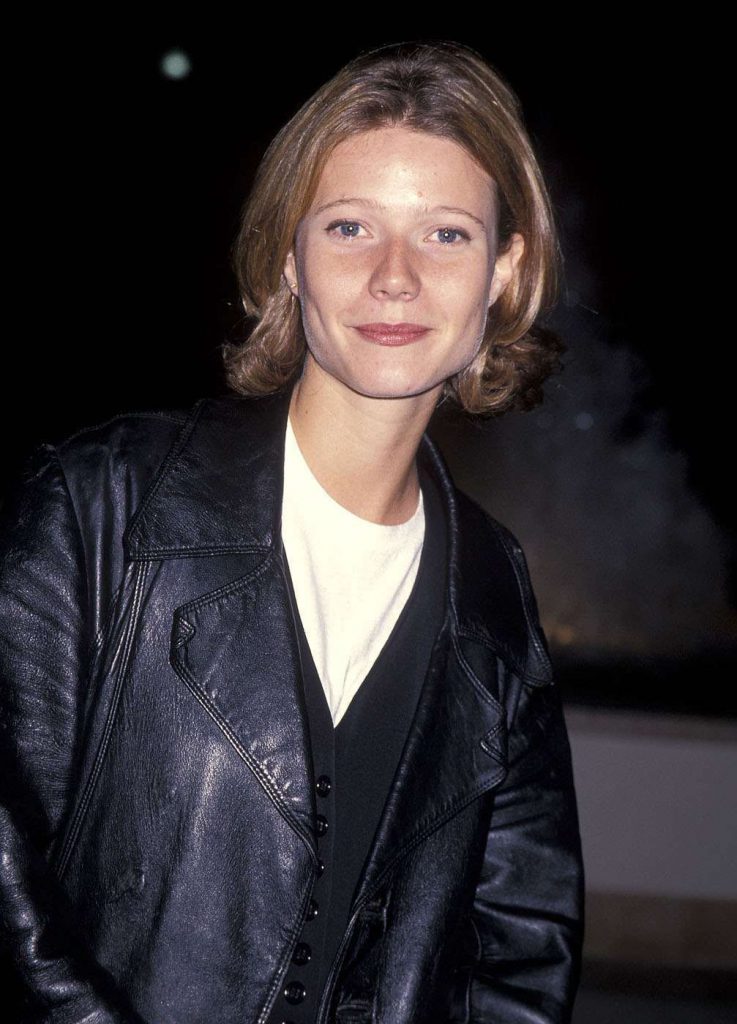
In a world constantly chasing novelty, minimalism remains quiet, composed and enduring. As the “quiet luxury” fad begins to fade into another passing aesthetic, the minimalist spirit quietly reasserts its place: not as a trend, but as a way of life. To simplify is not to subtract meaning, but to refine it.Gwyneth Paltrow is regarded as
an icon of chic minimalismPrecision over ornament
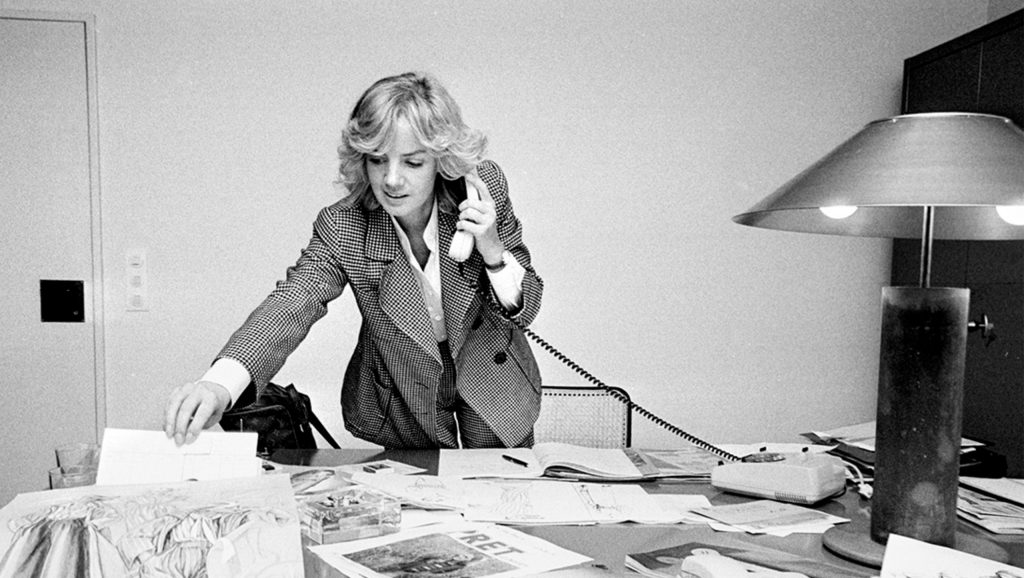
Among the few designers who have embodied minimalism with uncompromising clarity, Jil Sander stands as a symbol of quiet power. Her garments – precise in cut, rich in material and restrained in palette – are not made to impress at first glance, but to linger in the memory with understated elegance. A classic white shirt, a well-structured pair of trousers or a seamless cashmere knit becomes a statement in itself.
In 2019, the house introduced Jil Sander+, a line that expanded its minimalist philosophy with a renewed emphasis on material integrity and slow craftsmanship. The "+" was more than a symbol; it marked a promise of transparency, responsibility and meaningful collaborations.
In its inaugural season, Jil Sander+ collaborated with Mackintosh, a British outerwear brand with over 200 years of history, renowned for its rubberized fabric craftsmanship. Here, every stitch, cut and material choice contributes to a minimalist luxury defined by time and investment.
As stylist Joe McKenna once said: “Everybody talks about luxury brands, but that wasn’t a word people used in the 1990s. But Jil Sander was really the ultimate ‘luxury’ brand, because so much time was spent researching fabric, time spent getting the fit right, and time seems to be the ultimate luxury.”
Jil Sander stands as a true icon of minimalist eleganceMinimalism: A statement of identity
Today, minimalism has evolved from a stylistic choice to a strategic expression of identity. From fashion runways to courtroom wardrobes, pared-back aesthetics now signal credibility, intention and quiet confidence. In the post-pandemic context, where values are more carefully considered, consumers are moving away from flashy symbols towards a more timeless and relatable "silent beauty".
Pioneering labels such as Phoebe Philo, The Row and Lemaire demonstrate that minimalist style isn't dull but a deliberate choice to focus on essence – a well-fitted shirt, perfectly structured trousers, or a nuanced nude tone.
Outside the fashion world, global tech icons have adopted minimalism as a personal identifier. Steve Jobs, with his black turtleneck by Issey Miyake, turned simplicity into a statement of intense focus on creativity, core values and long-term vision. Mark Zuckerberg, with his wardrobe of gray T-shirts and dark hoodies, once shared that eliminating unnecessary choices each morning helps concentrate on more important decisions, avoiding dependence on trends.
Minimalism, in this context, becomes more than design – it becomes discipline. And discipline, carried through consistently, becomes signature.
The Spring 2001 Ready-to-Wear Collection by Jil SanderTimeless fashion, responsible future
Despite the recent resurgence of "loud luxury", many brands persist with a calm mindset. Shilpa Shah, co-founder of minimalist brand Cuyana, believes that maintaining core values offers long-term advantages, especially as consumers become more discerning.
One key reason is sustainability. Fast fashion trends lead to short consumption cycles and high waste. In contrast, a minimalist garment is designed to last longer, accompany customers through multiple seasons and remain timeless. Minimalist style extends product lifecycles, reduces the need for replacements and decreases fashion waste from one of the world’s most polluting industries.
The philosophy of "fewer, better things" is more relevant than ever, particularly for Generation Z – the largest consumer group today – who emphasize responsible consumption and are focused on combating environmental and climate crises.
Designers now face a reverse challenge: how to create distinction without bold colors or intricate patterns. In reality, simplifying details equates to timelessness, ease of repair and reuse. This not only benefits the environment but also alleviates pressure on supply chains, energy consumption and human resources.
The wisdom of restraint
To design simply is not to design easily. It is a challenge that demands clarity of vision and depth of understanding. In a landscape crowded with spectacle, restraint can be radical. To choose minimalism is to trust in the power of structure, in the language of proportion, in the elegance of the essential.
At its core, minimalism reminds us that true distinction does not lie in what we add, but in what we choose to leave out. And sometimes, the most powerful statement is the one made in silence.[hoasen]
For many, Phu Quoc evokes visions of turquoise waters, luxury resorts and sunset cocktails by the beach. Yet beneath the surface of this polished paradise lies a deeper narrative.
Story & Photos To Di Dau
For many, Phu Quoc evokes visions of turquoise waters, luxury resorts and sunset cocktails by the beach. Yet beneath the surface of this polished paradise lies a deeper narrative.
For many, Phu Quoc evokes visions of turquoise waters, luxury resorts and sunset cocktails by the beach. Yet beneath the surface of this polished paradise lies a deeper narrative. The “Pearl Island” still preserves layers of cultural sediment – where traditions endure, spiritual beliefs linger and art continues to reflect the essence of Vietnamese identity.
The fishing boats are
setting out to seaDay 1: Where salt meets time
On my first morning, I stepped into a traditional fish sauce house in Duong Dong. There were no signs for tourists, no curated visitor experiences – just towering wooden barrels bound in thick rope, steeped in the golden light filtering through a corrugated tin roof. The air was dense with the scent of fermenting anchovies, salt and aged timber.
When I asked the owner, who has worked in this space for over thirty years, about her production process, she gently corrected me: “We don’t produce fish sauce here. We preserve a craft.”
Her words stayed with me. To outsiders, fish sauce may be a local product or a culinary souvenir. But to her, it represents identity – an emblem of perseverance, of legacy, of home. It is a cultural inheritance, not just a business.
That evening, I brought a folding chair and a notebook to the beach. With no music and no camera, I watched the sun slowly lower itself into the water. In that stillness, everything I’d experienced – the scent of anchovies, the woman’s voice, the solemnity of the day – settled into silence.
Day 2: History dances in silence
Much of my second day was spent exploring an entertainment complex in the island’s north. But it wasn’t the pastel facades or canal-inspired backdrops that left the largest impression; instead, it was an evening performance titled The Quintessence of Vietnam.
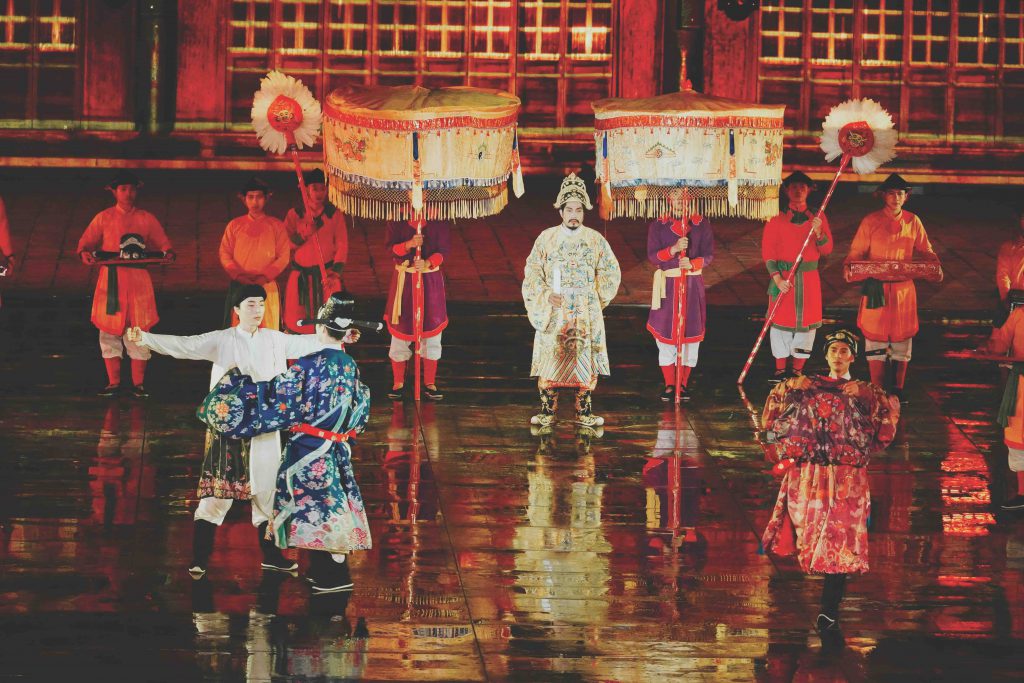
I arrived early with modest expectations. Yet from the first resounding drumbeat, I was captivated. There was no dialogue, no narration – only traditional music, vibrant lighting and movement. More than 300 performers embodied fragments of Vietnamese history, from rural northern villages to the royal courts of Hue. Market scenes, bridal processions and scholarly award ceremonies played out with meticulous choreography and richly detailed costumes.
The performance
The Quintessence
of Vietnam
No explanation was necessary. The performance spoke to a collective memory deeply etched into every Vietnamese heart. As the red flag rose in the final act, accompanied by thunderous drumming, I realized that this was more than art – it was a form of cultural preservation. A story not told through words, but through feeling.
Day 3: Hope and faith in a fishing village
On my final morning, I followed a friend to Cua Can fishing village, not to play tourist but simply to observe. A few men readied their boats and others drank tea while mending nets. There were no greetings or performances, just daily life unfolding at its own rhythm. I felt oddly at home in the quiet.
I was invited aboard a small basket boat. We drifted slowly past stilt houses, moored fishing boats and dogs dozing on wooden piers. The water shimmered softly beneath us. The boatman said little, and that silence – natural and unforced – was its own form of welcome.
Later, I stopped by Dinh Cau, a sacred seaside shrine perched on a rocky promontory. Incense curled skyward as the sea murmured below. There, I saw an elderly woman praying. I couldn’t hear her full chant, but I caught the final words: “May every boat return, with everyone safe.”
It was a brief sentence, but within it lived generations of hope and faith. In Phu Quoc, belief is not grand or elaborate. It is quiet. It is steady. It is lived.
My three days passed with no itineraries and no urgency. And yet, they revealed a Phu Quoc I had never known: slower, quieter and deeper. An island where traditional crafts still carry the soul of generations, where faith remains a gentle bond to the sea, and where history is told not in words, but in reverent silence.
If you’ve only come to Phu Quoc for the luxury and leisure, perhaps now is the time to take another path – one not marked on maps but clearly etched in the island’s heart.[hoasen]
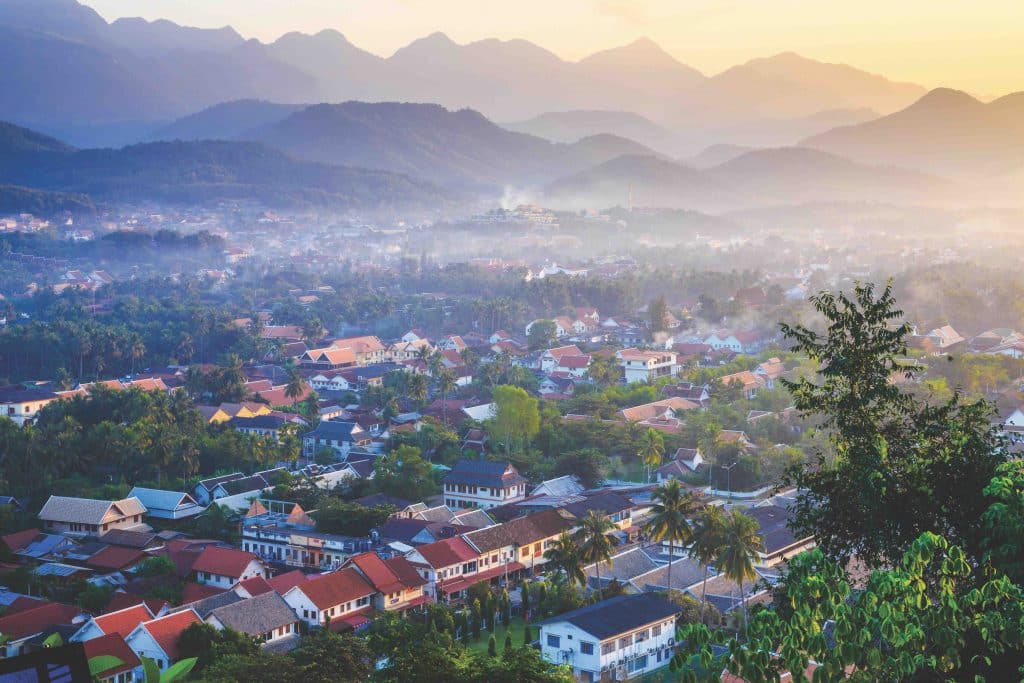
Nestled in the lush greenery of northern Laos, Luang Prabang stands as a silent note in the bustling symphony of the modern world – a place where time seems to slow down, allowing you to breathe deeply and savor every moment.
Story & Photos Long Ho
Nestled in the lush greenery of northern Laos, Luang Prabang stands as a silent note in the bustling symphony of the modern world – a place where time seems to slow down, allowing you to breathe deeply and savor every moment.
Recognized as a UNESCO World Heritage Site in 1995, this former royal capital is a sublime fusion of Asian and European cultures and gentle nature. Luang Prabang does not greet visitors with blaring horns or dazzling lights, but with the subtle scent of incense drifting on the morning breeze, the echo of temple bells in the afternoon and the unhurried footsteps of locals, like a wordless song.
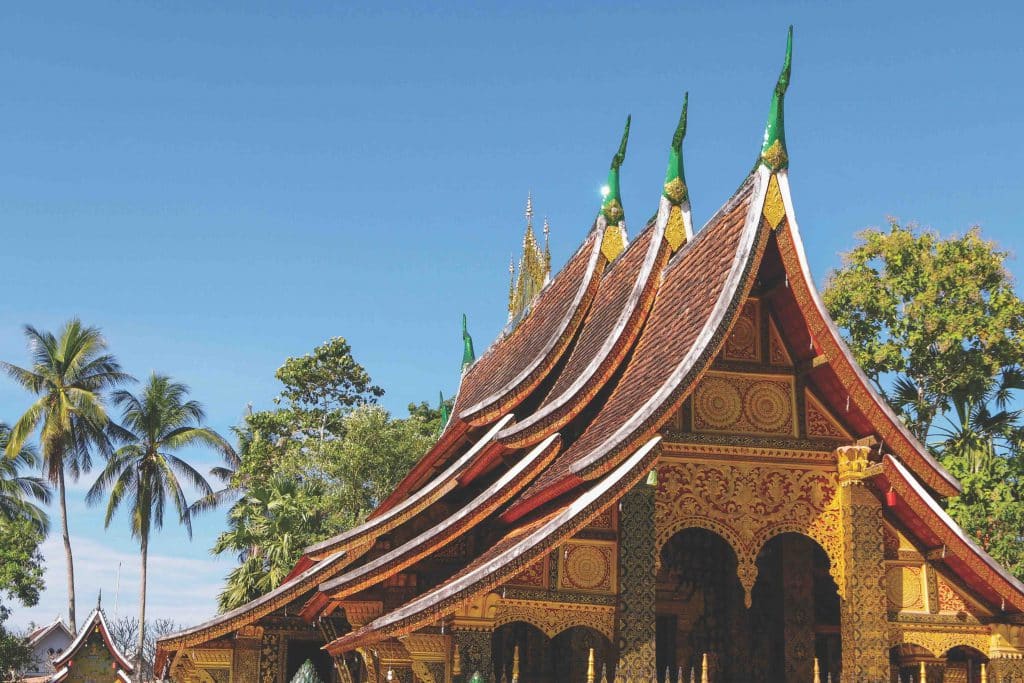
The soaring roof of Wat Xieng Thong templeThe city of tranquility
Once the capital of the Kingdom of Lan Xang, also known as the Land of a Million Elephants, Luang Prabang carries deep layers of cultural sediment from various historical periods. The city’s architecture stands out with rustic wooden houses interspersed with graceful two-story French colonial buildings featuring wide balconies and wooden shutters. Roadside cafés, cobblestone streets and more than 30 gilded temples scattered across the small peninsula create a peaceful, leisurely atmosphere.
Among them, Wat Xieng Thong – the oldest temple in Luang Prabang – boasts soaring, bird-like roofs adorned with exquisite gold-inlaid motifs on black lacquer, and walls carved with stories of daily life, Buddhist teachings and the land and people of Laos.
Not far away is the former Royal Palace, now the National Museum, a mirror reflecting the era of Lao – French cultural exchange. There, the sacred golden statue of Phra Bang Buddha quietly radiates under the blue sky, as if guarding the soul of the city through countless seasons of rain and sun.
Buddhism permeates every aspect of life here. A day in Luang Prabang begins with the Tak Bat (alms-giving ceremony) along the main streets. Hundreds of monks in saffron robes line up to receive rice and offerings from locals and visitors. This ritual is not only a duty for the monks but also a lesson in virtue and merit for the people. In that tranquil space, one can feel only reverence for the Buddha gently spreading in the early morning mist.
Peaceful romantic morning sceneThe gentle melody of earth and sky
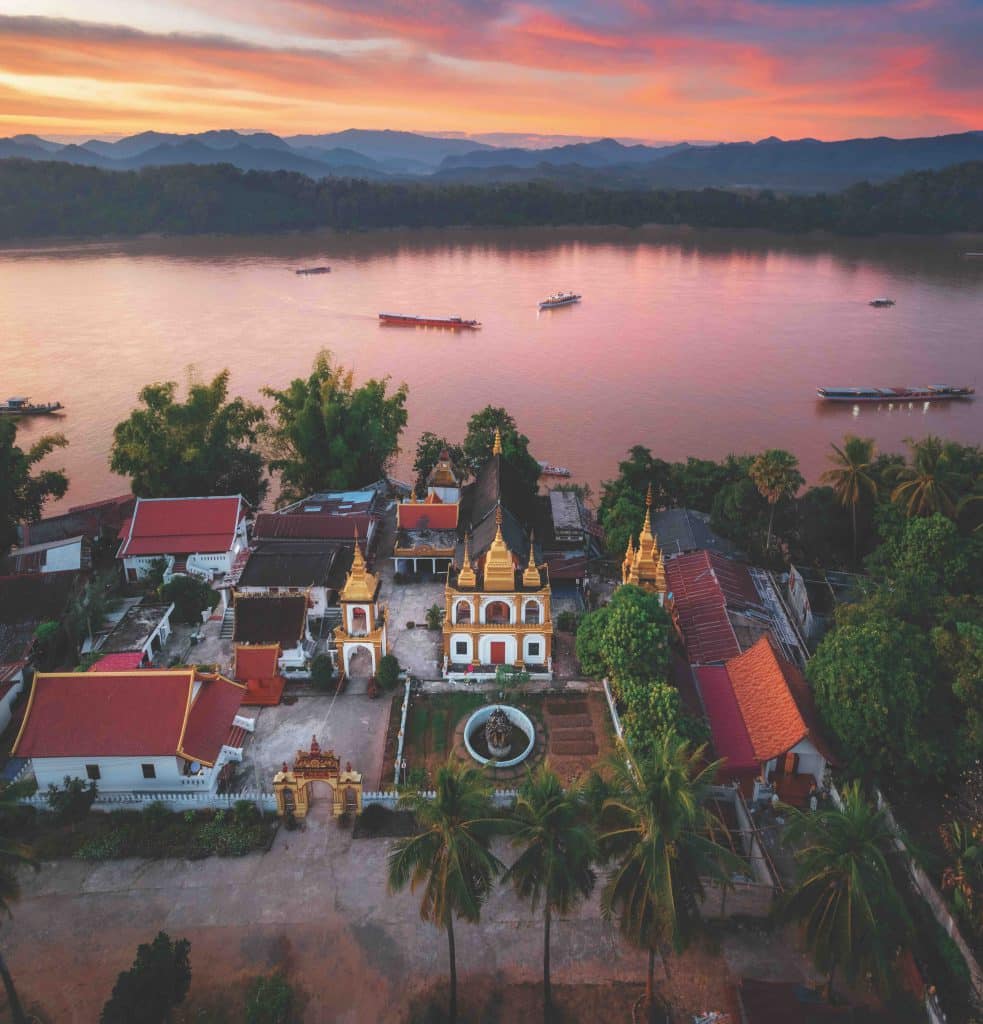
Beyond its temples and history, Luang Prabang is blessed by nature with a soothing green cloak. The Mekong and Nam Khan rivers wind around the city, bringing fertile silt that has nourished generations. Each sunset, the sound of distant temple bells mingles with the river’s gentle flow.
To take in the panoramic view of the ancient capital, climb the 328 steps to the top of Mount Phousi for sunrise or sunset. From above, the old town unfolds like an ink wash painting: golden water reflecting temple roofs and rows of trees. In this place where rivers and mountains meet, you can quietly listen to the temple bells, the chanting, and the soft paddling of boats all blending into a sacred and gentle symphony.
Just 30 kilometers from the city, Kuang Si Waterfall appears like a crystal-clear dream, with turquoise water cascading over white limestone terraces, forming natural, transparent pools. Immersing yourself in the cool water washes away the dust of the bustling city, letting your soul find peace in the pristine space of the tropical forest.
Sunset along the Mekong RiverThe thread connecting tradition and modernity
In Luang Prabang, tradition and modernity breathe in harmony. Traditional craft villages still thrive alongside French-style cafés and modern shops and supermarkets.
In Ban Xang Khong and Ban Xieng Lek villages, Saa paper (similar to Vietnamese do paper) is still handmade using ancient methods from mulberry bark. The patient hands of artisans spread pulp onto mesh frames, waiting for the sun to dry it into soft, durable sheets. In the past, Saa paper was mainly used for copying Buddhist scriptures; today, artisans press flowers and leaves into the paper to create cards, lanterns, and notebooks – perfect as small gifts imbued with local tradition.
Besides Saa paper making, Luang Prabang is also known for hand-weaving at Ock Pop Tok and pottery in Ban Chan village, where rustic ceramics are crafted from Mekong river clay. Here, memories are preserved not through photos, but through human hands.
When night falls, Luang Prabang’s night market glows with the colors of souvenirs and handwoven textiles, mingling with the aroma of food stalls serving Larb, Khao Piak Sen soup, and even modern European dishes. Yet, above all, the atmosphere remains unhurried and relaxed, just like the city’s own pace of life.
Luang Prabang does not rush to hold anyone back, nor does it loudly beckon. This small city quietly endures, like a sutra chanted every morning, so that anyone who passes through feels their heart soothed, their soul cleansed and learns to cherish every moment of life. Amidst a world in constant motion, Luang Prabang maintains its slow, balanced rhythm, close to nature and steadfast in preserving the traditional values of the ancient capital.[hoasen]
Twenty-one works from ten private collections were displayed at Kien Trung Palace (Hue), offering art lovers and the public a chance to better understand former Emperor Ham Nghi's role as an artist, as well as the deep sentiments he held for his homeland.
Story NIKITA CHUPhotos LUXUO
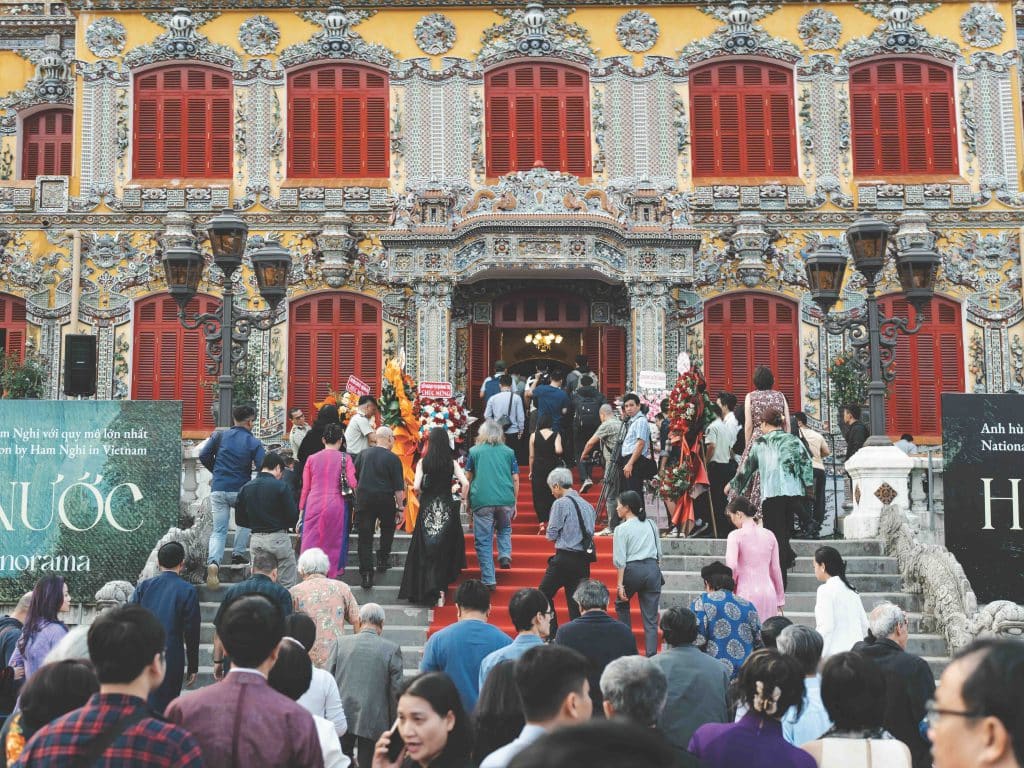
At the exhibition Troi, Non, Nuoc – Allusive Panorama, I had the opportunity to converse with curator Ace Le about the largest retrospective ever dedicated to the paintings of former Emperor Ham Nghi in Vietnam. Twenty-one works from ten private collections were displayed at Kien Trung Palace (Hue), offering art lovers and the public a chance to better understand his role as an artist, as well as the deep sentiments he held for his homeland.The opening ceremony of the exhibition Troi, Non, Nuoc – Allusive PanoramaIt must be said that Troi, Non, Nuoc – Allusive Panorama is an exhibition that has entered the history of Vietnamese art. The event has passed, but it leaves a profound resonance in the hearts of the public. When comparing the initial aspirations of the project with the actual results, how do you feel?
Previously, few knew that former Emperor Ham Nghi was the first painter of modern Vietnamese fine arts. The goal of Troi, Non, Nuoc (Sky, Mountain, Water) is to restore former Emperor Ham Nghi to his rightful place in art history. This is something that Dr. Amandine Dabat – my co-curator – has tirelessly worked to realize for many years, especially through the publication Ham Nghi: Exiled Emperor, Artist in Algiers.
For me, this work was not simply about curating a retrospective exhibition. From the very beginning, I set specific criteria: it had to be held at The Imperial City of Hue, in the spring, with paintings depicting the life of the former Emperor as an artist, and all stages of implementation had to be carried out by Vietnamese people, according to international museum exhibition standards.
After a year and a half of preparation, with the support of many individuals and organizations, the exhibition was received beyond expectations, with 8,000 – 10,000 visitors per day throughout the two weeks it was open. Art lovers flew in from many countries and all regions of the country to Hue. Being warmly welcomed by the general public, art enthusiasts, and the people of Hue is the greatest gift for a curator – a bridge between art and the audience.
I still remember, before leaving the space, Dr. Amandine asked for 15 minutes to walk around the gallery one more time, lingering to deeply contemplate each painting; that was perhaps one of the most touching moments for me personally. Could you share about the common ground between the two curators, as well as the milestones that led to such a large-scale exhibition?
The first stage of the exhibition was probably when Ms. Amandine announced her doctoral thesis. The book based on her dissertation opened the door for the French public to discover the story of an exiled Emperor. The Vietnamese public only knew the former Emperor as a patriotic king, but not much about the artist Tu Xuan – Ham Nghi’s pseudonym, meaning “son of spring”. Throughout his life, he used this name as his artistic signature on his paintings.
As soon as I read Dr. Amandine’s thesis, I immediately felt that a retrospective exhibition of Ham Nghi’s works was essential for Vietnamese fine arts. The paintings needed to be gathered at least once, in the Imperial City of Hue, which he once called “home”, so that the public could see and understand him. The story of the former Emperor needed to be told in Vietnam, for Vietnamese people, with the sensibility and language of Vietnamese people. That is why I chose Troi, Non, Nuoc as the exhibition title, inspired by the poetry of Ba Huyen Thanh Quan, reflecting both the landscape themes of Ham Nghi’s plein air paintings and the hidden sentiments of an exile. Dr. Amandine immediately agreed with this title, as well as with my approach to structuring the curatorial narrative.
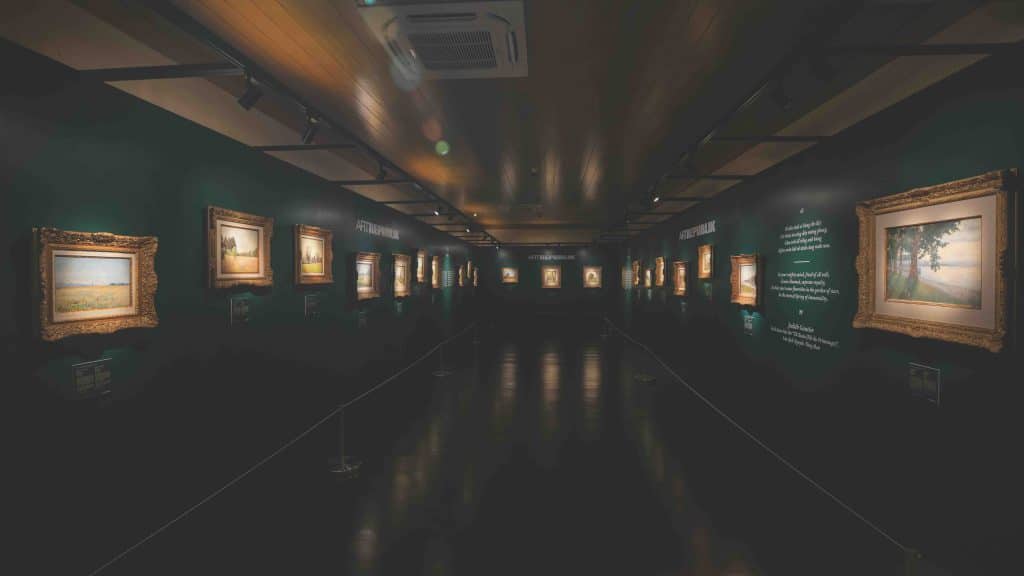
The exhibition space Troi, Non, Nuoc – An Allusive PanoramaCould you elaborate further on that curatorial narrative?
The exhibition was divided into three sections. The first introduced the biography and places where former Emperor Ham Nghi lived. The second summarized the Can Vuong movement and its nationwide influence, with thirteen literary excerpts from twelve scholars representing the movement, presented through the calligraphy of Chau Hai Duong. The final section, also the heart of the exhibition, focused on Ham Nghi’s paintings.
In this section, Ham Nghi’s art was divided into three landscape genres: “Troi” (Sky), “Non” (Mountain), and “Nuoc” (Water), representing facets of his plein air painting style influenced by Impressionism and Post-Impressionism. The “Troi” series reflects the panoramic perspective of a sovereign, with deep studies of changing light across the sky, along the horizon, and on the ground. The “Non” series contains two recurring motifs in Ham Nghi’s paintings: the image of a deserted road – symbolizing the obsession with the freedom of choice for someone placed on the throne at age thirteen – and the solitary ancient tree, evoking the position of a nation’s leader. Finally, the “Nuoc” series is arranged from dawn to dusk, or the different stages of a human life, revealing the former Emperor’s concerns and his ability to find beauty in every moment along that journey.
The audience also noticed how the curator subtly chose three colors corresponding to the three landscape themes: blue for the sky, earthy yellow for the mountains, and jade green for the algae beneath the water.
Thank you for noticing. Yes, every small decision in the exhibition design was the result of careful consideration and calculation. Another example: architect Chu Kim, project manager and exhibition designer, made a thoughtful suggestion – instead of hanging the paintings at a fixed height (as is common in most exhibitions), they were hung at alternating heights, reflecting the ups and downs in Ham Nghi’s life.
This was truly the most standout professional exhibition ever held in Hue. Surely there were many challenges during implementation?
Absolutely. Kien Trung Palace itself was not built as an exhibition space, so we had to plan carefully to ensure the safety of the paintings, operational feasibility, and project budget. Many stages required investment: specialized staff for packing and installing the paintings, refrigerated trucks for transportation, air conditioning systems for preservation during display, and CCTV to monitor the exhibition space 24/7. This was also the exhibition with a record number of visitors in my career, so crowd control and traffic management had to be meticulously planned. Without the flexible cooperation of the Hue Monuments Conservation Center and all production partners, the project certainly would not have succeeded.
And one of the greatest challenges was borrowing paintings for the exhibition. Ham Nghi left behind only about 100 paintings, so finding and persuading collectors to lend their works was a difficult process. The collectors all understood the importance of the project and invested resources to restore and preserve the paintings in time for the exhibition. To meet the strictest display standards, we searched for each antique French frame from the same era to visually unify the paintings.
After more than a hundred years, the paintings containing Ham Nghi’s personal sentiments have finally been brought together in a retrospective, something he probably longed for all his life. And surely, the former Emperor would smile knowing that his art is now being cherished in his homeland. On behalf of the audience, Heritage Magazine would like to extend our thanks and congratulations to curator Ace Le, Dr. Amandine, and the entire project team![hoasen]
Part of the art project, the collection embodies a rare dialogue between craft and tradition. Here, do paper, silk, and canvas are pushed to new creative frontiers with pioneering photographic printing methods – each piece a meditation on memory, material, and meaning.
Celestial Weavings (Soi may tac lua) is a tribute to the timeless soul of beauty – a gift for those who seek refinement, elegance, and a lingering sense of the eternal. Just as its name evokes a dream of celestial bodies, of moonlight and stars suspended in silk, the collection bridges the ancient and the contemporary in a quiet hymn to purity and grace shaped by time and art.
Inspired by Vietnam’s cultural heritage and reimagined through modern fashion and darkroom textile printing techniques, the collection is a collaboration between fashion designer Pham Ngoc Anh (La Pham) and visual artist Pham Tuan Ngoc. Together, they invite us on a multisensory journey to rediscover Vietnam’s ancestral motifs – translated onto silk through brush, lens, and light.
Part of the art project, the collection embodies a rare dialogue between craft and tradition. Here, do paper, silk, and canvas are pushed to new creative frontiers with pioneering photographic printing methods – each piece a meditation on memory, material, and meaning.[hoasen]
Creative Director PHAM TUAN NGOC
Stylist LA PHAM
Photographer HOANG THE PHONG
Lighting NGUYEN LE HOANG NGUYEN
Make-up TRAN THIEN KHANH
Model VO TAN SANH VY, PHAM NGOC ANH
Fashion LA PHAM
Location THE IMPERIAL CITY OF HUE & ANCIENT HUE HOTEL
Journey of Love
Producer: Tomochi Creative
Photographer: Quang Khue
Fashion: Hugo Boss
Boutique: 60 Ly Thai To, Hanoi; Union Square, 116 Nguyen Hue, Dis 1, HCMC
Model: Kim Nhung, Minh Tung
Location: Le Méridien Saigon, HCMC
Life is a journey full of surprises and chance encounters. Some meetings come and go, but others can turn into a love story even after the journey ends.
Inspired by magical encounters, the latest collection by Hugo Boss is a tale of strangers meeting and finding love at first glance. And like a Hollywood romance, all of the colors and forms blend in great harmony.
For men, Hugo Boss’s smart design and light and elastic materials embark on the journey with confidence and style.
For women, romance and elegance are highlighted by BOSS this season. Signature delicate cuts give way to loose and revealing silhouettes, rippling frills, form-fitting trousers and feminine skirts. Bold colors such as vermillion, camel brown and cherry pink effectively find harmony with softer tones for a refined quality. The perfect final touch for BOSS women is a modern, trendy clutch or a neat and tidy BOSS Bespoke bag.
 The surprising thing is that Duong rarely talks about any of those names.
Throughout our conversation, he spent far more time discussing coffee, video games, favourite pens, and the Vietnamese language than he did celebrity clients. “I like being interviewed by Asian people more,” he laughed at the start of our call. “A lot of people only want to ask about the rap projects. But that's just work. I'm pretty different outside of that.”
At 29, Duong is juggling more than 30 projects at once. His lifestyle runs counter to the image many people have of a professional designer. He doesn't wake up early. He doesn't work traditional office hours. Instead, his most productive hours fall between midnight and three in the morning. “I realised that's when I get into flow state. My best ideas always happen during that time.” Daytime is reserved for emails, meetings, and technical tasks. Nighttime is when the lettering begins.
While many younger designers have moved entirely into digital workflows, Duong remains deeply attached to pens, ink, paper, and physical surfaces. He experiments, stains pages with ink, and sketches by hand before scanning everything into a computer for further refinement. The process may take longer, but in exchange it gives him something he believes technology still cannot replicate. To him, the computer is simply a finishing tool. The expressive essence always comes from the hand. His lettering often carries smudges, tremors, imperfections, and a sense of roughness. Yet it is precisely those imperfections that make the work feel alive. “I like things with texture, grain, and human traces,” he said. “When things get too clean, sometimes they lose emotion.”
Outside of design, Duong is equally known among friends for his love of coffee. There is almost always a cup somewhere on his desk, and his phone contains an ever-growing list of cafés he hopes to visit one day. Although he has not returned to Vietnam in sixteen years, since he was thirteen years old, he still closely follows the country's rapidly evolving coffee culture.
“I've already saved a lot of coffee shops in Vietnam,” he said. “There's so much I want to see when I go back.” In Duong's imagination, present-day Vietnam appears through newly opened cafés, independent fashion stores, and a creative scene that seems to be constantly evolving. It is a version of Vietnam he has not yet witnessed firsthand, but one he remains deeply curious about from afar. His connection to the country does not come from having grown up there. Duong was born and raised in the United States. Yet Vietnamese has always been present in his household.
“My dad speaks English, but he still always speaks Vietnamese. My mom almost only speaks Vietnamese.”
It creates a feeling familiar to many members of the Vietnamese diaspora: living between two languages, two value systems, and sometimes two versions of oneself. “When I speak Vietnamese, I feel like a different person,” he said. “That language pulls out parts of my personality that English doesn't.”
The surprising thing is that Duong rarely talks about any of those names.
Throughout our conversation, he spent far more time discussing coffee, video games, favourite pens, and the Vietnamese language than he did celebrity clients. “I like being interviewed by Asian people more,” he laughed at the start of our call. “A lot of people only want to ask about the rap projects. But that's just work. I'm pretty different outside of that.”
At 29, Duong is juggling more than 30 projects at once. His lifestyle runs counter to the image many people have of a professional designer. He doesn't wake up early. He doesn't work traditional office hours. Instead, his most productive hours fall between midnight and three in the morning. “I realised that's when I get into flow state. My best ideas always happen during that time.” Daytime is reserved for emails, meetings, and technical tasks. Nighttime is when the lettering begins.
While many younger designers have moved entirely into digital workflows, Duong remains deeply attached to pens, ink, paper, and physical surfaces. He experiments, stains pages with ink, and sketches by hand before scanning everything into a computer for further refinement. The process may take longer, but in exchange it gives him something he believes technology still cannot replicate. To him, the computer is simply a finishing tool. The expressive essence always comes from the hand. His lettering often carries smudges, tremors, imperfections, and a sense of roughness. Yet it is precisely those imperfections that make the work feel alive. “I like things with texture, grain, and human traces,” he said. “When things get too clean, sometimes they lose emotion.”
Outside of design, Duong is equally known among friends for his love of coffee. There is almost always a cup somewhere on his desk, and his phone contains an ever-growing list of cafés he hopes to visit one day. Although he has not returned to Vietnam in sixteen years, since he was thirteen years old, he still closely follows the country's rapidly evolving coffee culture.
“I've already saved a lot of coffee shops in Vietnam,” he said. “There's so much I want to see when I go back.” In Duong's imagination, present-day Vietnam appears through newly opened cafés, independent fashion stores, and a creative scene that seems to be constantly evolving. It is a version of Vietnam he has not yet witnessed firsthand, but one he remains deeply curious about from afar. His connection to the country does not come from having grown up there. Duong was born and raised in the United States. Yet Vietnamese has always been present in his household.
“My dad speaks English, but he still always speaks Vietnamese. My mom almost only speaks Vietnamese.”
It creates a feeling familiar to many members of the Vietnamese diaspora: living between two languages, two value systems, and sometimes two versions of oneself. “When I speak Vietnamese, I feel like a different person,” he said. “That language pulls out parts of my personality that English doesn't.”
 Family memories are also where Duong sees the clearest traces of his upbringing. He laughed while describing the familiar image of a traditional Vietnamese mother who dreams of her children becoming doctors, lawyers, or pursuing similarly stable careers. “Design was never part of the conversation.” The early years were not easy. Like many children of Asian immigrant families, artistic success felt difficult to explain compared to professions considered secure or respectable. Duong remembers being told that he would never make a living through design. Then one day, his work appeared on billboards in the real world. “When they saw it existing out there, that's when it became real.” It was the moment when the distance between personal passion and family recognition began to narrow.
Despite having worked with some of the world's biggest artists, Duong still carries the curiosity of someone who feels he is learning. Throughout our conversation, he spoke more about pens, sketchbooks, and process than about famous collaborators. Perhaps what drives him is not fame, but the thrill of discovery. “I always want to create something that nobody has done before.” That mindset appears everywhere— from gaming and music to typography itself. In a field where trends change constantly and imitation is inevitable, Duong continues to see originality as the strongest motivation to keep creating.
If typography is his profession, then coffee and food are perhaps his second great love. He can spend twenty minutes talking about a pour-over, a favourite restaurant, or a bowl of noodles with the same enthusiasm he brings to discussing design. “Food excites me,” he replied almost immediately when asked what still inspires him outside of typography. “Food brings people together.”
In Duong's mind, food and design have more in common than most people realise. Both begin with raw ingredients. Both rely on intuition, experimentation, and creativity. Most importantly, both have the power to connect people. And like many Vietnamese people living far from home, his memories of Vietnam are often tied to food more than anything else.
When the conversation shifted toward Vietnamese noodles, Duong immediately became animated. Asked about his favourite noodle dish, he burst out laughing. “Now that's the most important question today.”
After some deliberation, he placed bánh canh firmly at the top of his list. The thick, chewy noodles and rich broth remain among the flavours he loves most. Bún bò Huế is another longtime favourite, though recently he has found himself seeking out less mainstream dishes.
“I love bún riêu,” he said. “But there aren't many places near me that make it well. The broth is usually too clean. Bún riêu should feel rich and a little messy.” The answer sounded remarkably similar to his design philosophy. While many people chase perfection, Duong is drawn to things that retain a certain roughness, spontaneity, and evidence of the human hand. Perhaps that is why he gravitates toward a deeply flavoured bowl of bún riêu, a strong Vietnamese iced coffee, or an ink mark that remains imperfect on the page.
It has been sixteen years since Duong last returned to Vietnam. Yet through conversations with family in Vietnamese, coffee shops saved on his phone, and even friendly debates about whether bánh canh or bún riêu deserves the top spot, home never seems very far away.
Perhaps on his next visit, among the streets, cafés, and creative communities he has followed from across the Pacific, Duong Nguyen will find inspiration for a new set of letterforms. Letterforms that carry both Los Angeles and Vietnam. Both the digital world and the distinctly human traces of ink, paper, and time.[hoasen]
Family memories are also where Duong sees the clearest traces of his upbringing. He laughed while describing the familiar image of a traditional Vietnamese mother who dreams of her children becoming doctors, lawyers, or pursuing similarly stable careers. “Design was never part of the conversation.” The early years were not easy. Like many children of Asian immigrant families, artistic success felt difficult to explain compared to professions considered secure or respectable. Duong remembers being told that he would never make a living through design. Then one day, his work appeared on billboards in the real world. “When they saw it existing out there, that's when it became real.” It was the moment when the distance between personal passion and family recognition began to narrow.
Despite having worked with some of the world's biggest artists, Duong still carries the curiosity of someone who feels he is learning. Throughout our conversation, he spoke more about pens, sketchbooks, and process than about famous collaborators. Perhaps what drives him is not fame, but the thrill of discovery. “I always want to create something that nobody has done before.” That mindset appears everywhere— from gaming and music to typography itself. In a field where trends change constantly and imitation is inevitable, Duong continues to see originality as the strongest motivation to keep creating.
If typography is his profession, then coffee and food are perhaps his second great love. He can spend twenty minutes talking about a pour-over, a favourite restaurant, or a bowl of noodles with the same enthusiasm he brings to discussing design. “Food excites me,” he replied almost immediately when asked what still inspires him outside of typography. “Food brings people together.”
In Duong's mind, food and design have more in common than most people realise. Both begin with raw ingredients. Both rely on intuition, experimentation, and creativity. Most importantly, both have the power to connect people. And like many Vietnamese people living far from home, his memories of Vietnam are often tied to food more than anything else.
When the conversation shifted toward Vietnamese noodles, Duong immediately became animated. Asked about his favourite noodle dish, he burst out laughing. “Now that's the most important question today.”
After some deliberation, he placed bánh canh firmly at the top of his list. The thick, chewy noodles and rich broth remain among the flavours he loves most. Bún bò Huế is another longtime favourite, though recently he has found himself seeking out less mainstream dishes.
“I love bún riêu,” he said. “But there aren't many places near me that make it well. The broth is usually too clean. Bún riêu should feel rich and a little messy.” The answer sounded remarkably similar to his design philosophy. While many people chase perfection, Duong is drawn to things that retain a certain roughness, spontaneity, and evidence of the human hand. Perhaps that is why he gravitates toward a deeply flavoured bowl of bún riêu, a strong Vietnamese iced coffee, or an ink mark that remains imperfect on the page.
It has been sixteen years since Duong last returned to Vietnam. Yet through conversations with family in Vietnamese, coffee shops saved on his phone, and even friendly debates about whether bánh canh or bún riêu deserves the top spot, home never seems very far away.
Perhaps on his next visit, among the streets, cafés, and creative communities he has followed from across the Pacific, Duong Nguyen will find inspiration for a new set of letterforms. Letterforms that carry both Los Angeles and Vietnam. Both the digital world and the distinctly human traces of ink, paper, and time.[hoasen]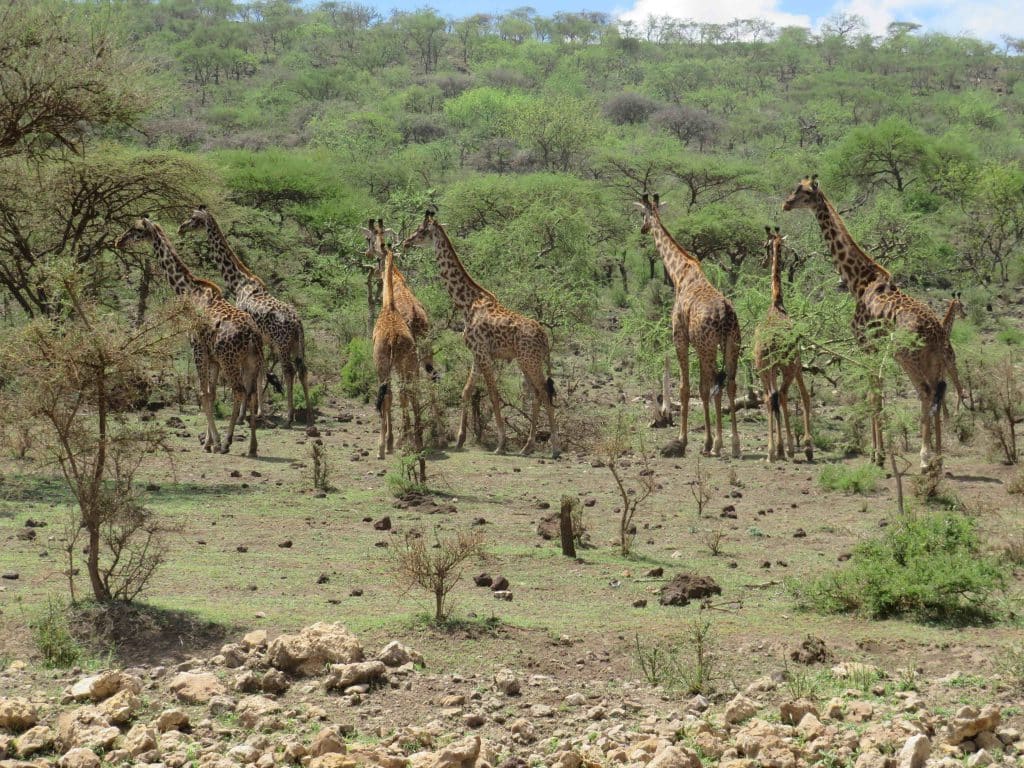 Tanzania, a vast country in East Africa that is three times the size of Vietnam with only half the population, prides itself on its abundance of superlatives in Africa: Mount Kilimanjaro, the roof of Africa; Victoria Lake, the largest freshwater lake; Selous Animal Reserve (named after adventurer Frederick Selous), with the largest number of protected animals in Africa; and Serengeti as the most fantastic destination for those who want to marvel at the authentic wildlife. However, what sparked my decision to visit this fascinating land was far simpler: a movie quote, from the Oscar-winning film “Cabaret,” in which one character promises: “I will take you Tanzania to watch flamingos cloud the sunset sky. There is nothing more beautiful in this world.”
Visiting Africa had also been a childhood dream when I read “In Desert and Wilderness” by Polish writer Sienkiewicz. It seemed so distant, but at the same time was surprisingly accessible. With passports and certificates of yellow fever vaccination, my friends and I took a direct flight from Hanoi to Nairobi, Kenya and connected there for another flight to Arusha City in the north, also known as the gateway to Tanzania. The duration of both flights was just about 9 hours, shorter than a trip to Europe.
In September of the dry season, Tanzania was not as hot as I had expected. The temperature was quite pleasant, hovering between 20 to 32oC. Our journey to explore Tanzania started with a jeep ride along a dirt road flanked by vast plateaus racing to infinity, with local Maasai in their red robes occasionally appearing and waving to us, heralding an exciting adventure ahead.
Tanzania, a vast country in East Africa that is three times the size of Vietnam with only half the population, prides itself on its abundance of superlatives in Africa: Mount Kilimanjaro, the roof of Africa; Victoria Lake, the largest freshwater lake; Selous Animal Reserve (named after adventurer Frederick Selous), with the largest number of protected animals in Africa; and Serengeti as the most fantastic destination for those who want to marvel at the authentic wildlife. However, what sparked my decision to visit this fascinating land was far simpler: a movie quote, from the Oscar-winning film “Cabaret,” in which one character promises: “I will take you Tanzania to watch flamingos cloud the sunset sky. There is nothing more beautiful in this world.”
Visiting Africa had also been a childhood dream when I read “In Desert and Wilderness” by Polish writer Sienkiewicz. It seemed so distant, but at the same time was surprisingly accessible. With passports and certificates of yellow fever vaccination, my friends and I took a direct flight from Hanoi to Nairobi, Kenya and connected there for another flight to Arusha City in the north, also known as the gateway to Tanzania. The duration of both flights was just about 9 hours, shorter than a trip to Europe.
In September of the dry season, Tanzania was not as hot as I had expected. The temperature was quite pleasant, hovering between 20 to 32oC. Our journey to explore Tanzania started with a jeep ride along a dirt road flanked by vast plateaus racing to infinity, with local Maasai in their red robes occasionally appearing and waving to us, heralding an exciting adventure ahead.
 Meeting the Maasai
In the midst of our digital world, the Maasai tribe still live largely as they have for hundreds of years, when they migrated from the Nile delta to Tanzania and Kenya. Travelers can visit to catch a glimpse of their daily lives, and many can speak English thanks to their interactions with foreigners. A tribe famous for their unique customs and traditions in Africa, the Maasai believe that they were created by gods to tend cattle. They live semi-nomadic, pastoral lives in low huts made of mud-coated bare branches and cow dung (it is believed that cow dung can keep mosquitoes and snakes at bay). Peeking into these simple homes, I couldn’t see much in the dim light; there were few possessions, just a hearth in the center, and small corners strewn with branches coated in a shroud used as their beds.
There are also famous for their adumu, or competitive jumping dance. A Maasai youngster missing a front tooth told us: “Our custom dictates that 16-year-old men are supposed to extract a front tooth to prove that they are full-grown. I can marry a number of women. The higher a man can jump the stronger he seems.”
Meeting Maasai women with shaved heads in blue outfits with lots of jewelry, and seeing tall men jumping as high as possible to welcome visitors, was a fascinating glimpse of a world unlike any I had encountered before.
Into the wild
While still an economically developing country, the government and people of Tanzania are vigilant about natural protection and preservation. Many reserves and national parks are incredible destinations, including Selous Hunting Animal Reserve, Gombe Stream National Park, Mt. Kilimanjaro, Mikumi, Ruaha and Serengeti. Our group decided to go to Ngorongoro Crater, a UNESCO Natural Heritage Reserve. It is world’s largest inactive and intact volcanic crater. Reaching a height of 2,000 meters, it measures 600 meters in depth, 22 kilometers in diameter and over 260 square kilometers in area, where wild animals gather all year round in the highest density worldwide.
Discovery and National Geographic channels, among many others, along with archeologists, writers, journalists and photographers have spent years and worked hard trying to zoom into the largely untouched lives of these wild creatures.
The landscape looked even more striking in person than on film. Greenery subsided up along the crater, giving rise to swarms of wild beasts rambling and idly savoring the serenity there. A family of lions could be seen slumbering under a perennial tree, while herds of antelopes grazed, and farther away, big throngs of elephants fetching water. Numerous animal species can be seen within this giant crater; from small creatures like birds (over 500 species) to giant beings including giraffes, elephants, hippos, rhinos, lions, leopards, cheetahs or zebras, it is estimated that 25,000 species are inhabiting there. Seated in a convertible jeep, we were brought closer to wild animals than I had ever been before, and watched them function in the wildlife: hunting, eating, sleeping and mating.
Finally, I was granted the scene that had sparked my curiosity to visit: Enormous flocks of tens of thousands of flamingos that reddened the entire saltwater lake of Manyara. Watching from the bank, the flamingos soared like countless rubies evaporating under the late sun. The dream came true, but our group still yearned for more time to take a closer look, and bring ourselves closer to such magic that the wild had to offer.
Packing up, we headed for Kenya to admire “the most spectacular migration on earth” in which millions of wildebeests cross Mara River from Kenya to Tanzania to seek new sources of food.[hoasen]
Meeting the Maasai
In the midst of our digital world, the Maasai tribe still live largely as they have for hundreds of years, when they migrated from the Nile delta to Tanzania and Kenya. Travelers can visit to catch a glimpse of their daily lives, and many can speak English thanks to their interactions with foreigners. A tribe famous for their unique customs and traditions in Africa, the Maasai believe that they were created by gods to tend cattle. They live semi-nomadic, pastoral lives in low huts made of mud-coated bare branches and cow dung (it is believed that cow dung can keep mosquitoes and snakes at bay). Peeking into these simple homes, I couldn’t see much in the dim light; there were few possessions, just a hearth in the center, and small corners strewn with branches coated in a shroud used as their beds.
There are also famous for their adumu, or competitive jumping dance. A Maasai youngster missing a front tooth told us: “Our custom dictates that 16-year-old men are supposed to extract a front tooth to prove that they are full-grown. I can marry a number of women. The higher a man can jump the stronger he seems.”
Meeting Maasai women with shaved heads in blue outfits with lots of jewelry, and seeing tall men jumping as high as possible to welcome visitors, was a fascinating glimpse of a world unlike any I had encountered before.
Into the wild
While still an economically developing country, the government and people of Tanzania are vigilant about natural protection and preservation. Many reserves and national parks are incredible destinations, including Selous Hunting Animal Reserve, Gombe Stream National Park, Mt. Kilimanjaro, Mikumi, Ruaha and Serengeti. Our group decided to go to Ngorongoro Crater, a UNESCO Natural Heritage Reserve. It is world’s largest inactive and intact volcanic crater. Reaching a height of 2,000 meters, it measures 600 meters in depth, 22 kilometers in diameter and over 260 square kilometers in area, where wild animals gather all year round in the highest density worldwide.
Discovery and National Geographic channels, among many others, along with archeologists, writers, journalists and photographers have spent years and worked hard trying to zoom into the largely untouched lives of these wild creatures.
The landscape looked even more striking in person than on film. Greenery subsided up along the crater, giving rise to swarms of wild beasts rambling and idly savoring the serenity there. A family of lions could be seen slumbering under a perennial tree, while herds of antelopes grazed, and farther away, big throngs of elephants fetching water. Numerous animal species can be seen within this giant crater; from small creatures like birds (over 500 species) to giant beings including giraffes, elephants, hippos, rhinos, lions, leopards, cheetahs or zebras, it is estimated that 25,000 species are inhabiting there. Seated in a convertible jeep, we were brought closer to wild animals than I had ever been before, and watched them function in the wildlife: hunting, eating, sleeping and mating.
Finally, I was granted the scene that had sparked my curiosity to visit: Enormous flocks of tens of thousands of flamingos that reddened the entire saltwater lake of Manyara. Watching from the bank, the flamingos soared like countless rubies evaporating under the late sun. The dream came true, but our group still yearned for more time to take a closer look, and bring ourselves closer to such magic that the wild had to offer.
Packing up, we headed for Kenya to admire “the most spectacular migration on earth” in which millions of wildebeests cross Mara River from Kenya to Tanzania to seek new sources of food.[hoasen]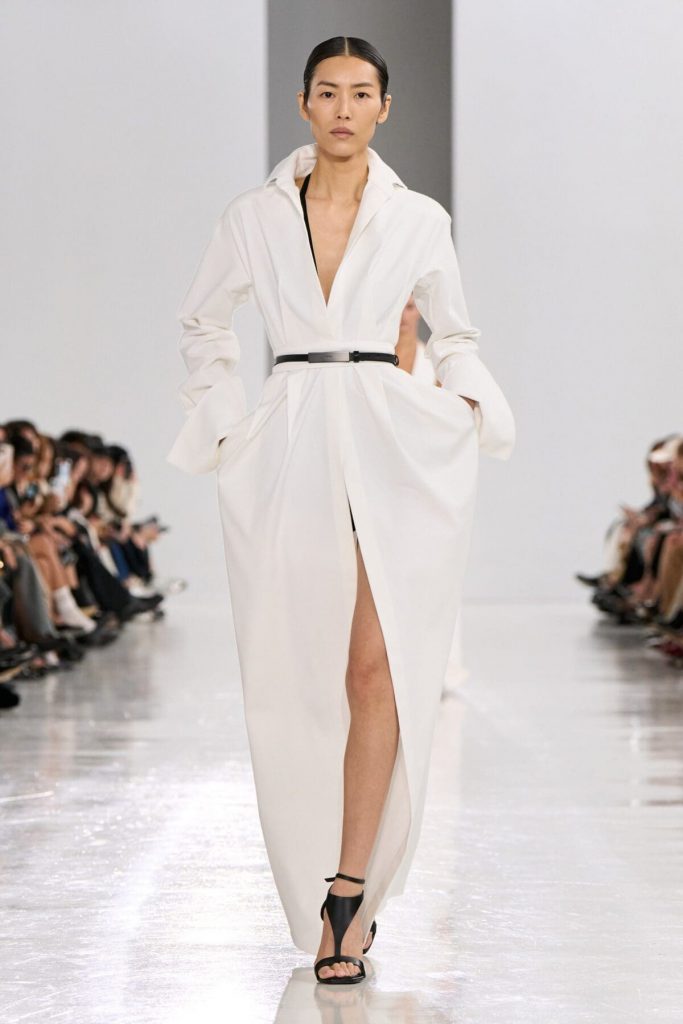 The quiet elegance
Ease into the week with the timeless appeal of neutrals, particularly the classic interplay of black and white. Max Mara’s tailored silhouettes exude quiet sophistication, while bold accents – such as a sculptural necklace from Saint Laurent and statement pieces from Versace and Gucci – lend just the right amount of intrigue. A layered shirt and a subtle spritz of Orphéon by Diptyque soften the overall mood, delivering a look that is graceful, composed and confidently elegant.
The quiet elegance
Ease into the week with the timeless appeal of neutrals, particularly the classic interplay of black and white. Max Mara’s tailored silhouettes exude quiet sophistication, while bold accents – such as a sculptural necklace from Saint Laurent and statement pieces from Versace and Gucci – lend just the right amount of intrigue. A layered shirt and a subtle spritz of Orphéon by Diptyque soften the overall mood, delivering a look that is graceful, composed and confidently elegant.
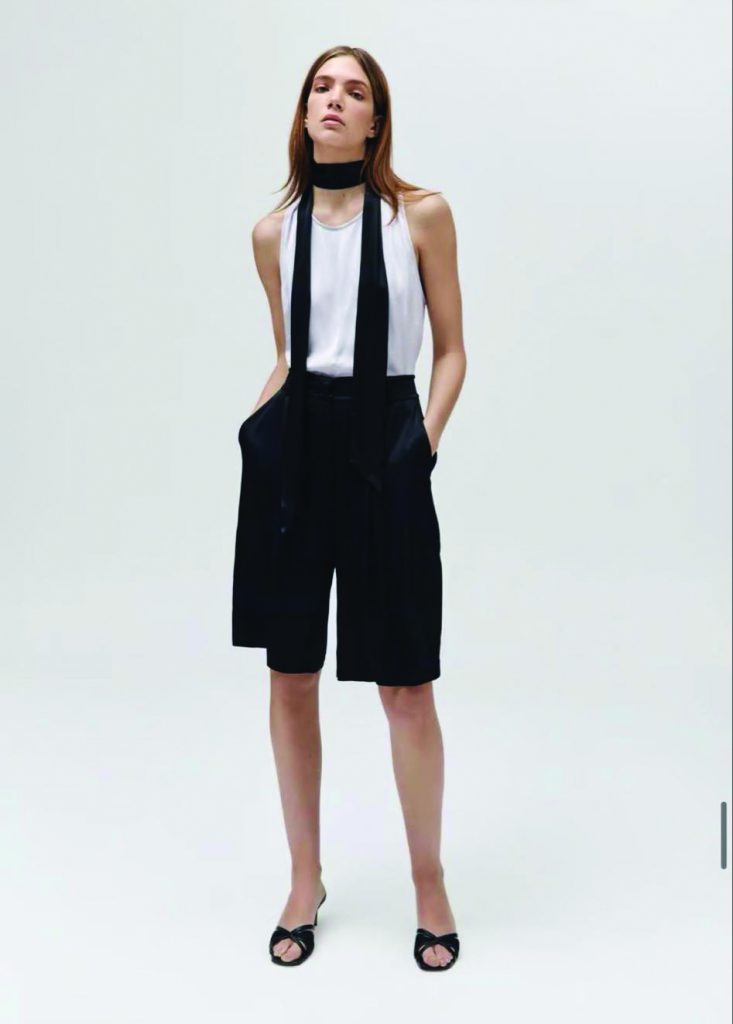 A surge of freedom
As momentum builds, embrace the spirit of liberation with avant-garde tailoring by Balenciaga and Maison Margiela. Monochrome tones provide clarity, while bold structures introduce energy and form. Accessories – including Swarovski’s shimmering details, Gentle Monster eyewear and architectural heels by Charles & Keith – add flair without excess. Complete the look with Byredo’s Rose of No Man’s Land, a fragrance that feels both daring and poetic.
A surge of freedom
As momentum builds, embrace the spirit of liberation with avant-garde tailoring by Balenciaga and Maison Margiela. Monochrome tones provide clarity, while bold structures introduce energy and form. Accessories – including Swarovski’s shimmering details, Gentle Monster eyewear and architectural heels by Charles & Keith – add flair without excess. Complete the look with Byredo’s Rose of No Man’s Land, a fragrance that feels both daring and poetic.
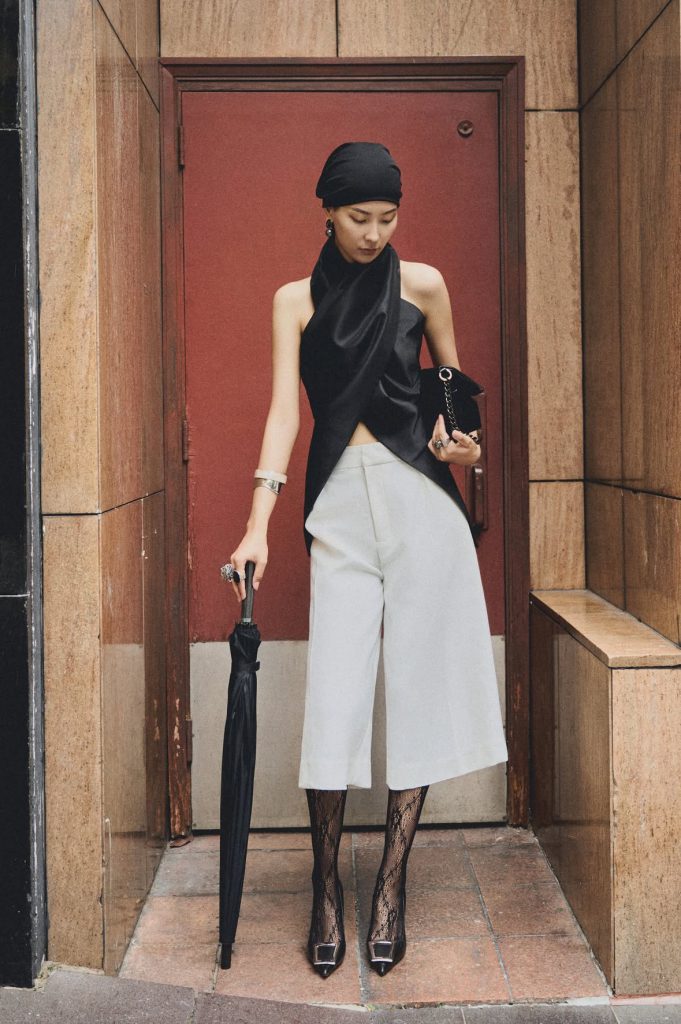 A whisper of seduction
Midweek invites a moment of playful boldness. A reimagined halter top, cropped trousers by Bonjour and Saint Laurent’s sheer lace tights compose a look that balances sensuality and sophistication. Jewelry from Rabanne and Coach introduces texture and attitude, while a compact Jacquemus bag and sleek heels maintain structure. Finish with the hypnotic depth of Tom Ford’s Fucking Fabulous – seductive, rich and unforgettable.
A whisper of seduction
Midweek invites a moment of playful boldness. A reimagined halter top, cropped trousers by Bonjour and Saint Laurent’s sheer lace tights compose a look that balances sensuality and sophistication. Jewelry from Rabanne and Coach introduces texture and attitude, while a compact Jacquemus bag and sleek heels maintain structure. Finish with the hypnotic depth of Tom Ford’s Fucking Fabulous – seductive, rich and unforgettable.
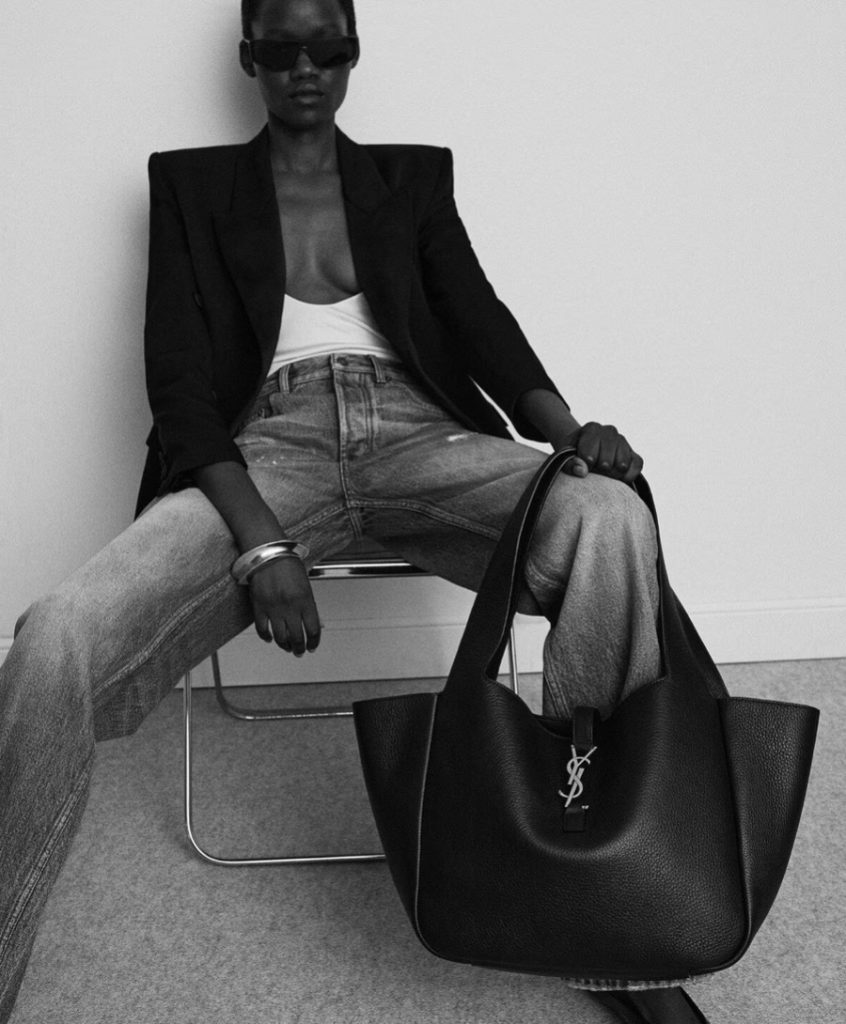 Ease in the breeze
Let Thursday bring a sense of freedom. Saint Laurent’s sharp tailoring meets the effortless ease of Louis Vuitton denim for a look that is grounded yet expressive. Crimson lips echoed in Jimmy Choo’s bold heels, alongside an embroidered blazer by Dolce & Gabbana, channels understated romance. Refined accessories from Parfois and a classic YSL bag provide balance, while Tom Ford’s Lost Cherry deepens the aesthetic with a touch of smoky sophistication.
Ease in the breeze
Let Thursday bring a sense of freedom. Saint Laurent’s sharp tailoring meets the effortless ease of Louis Vuitton denim for a look that is grounded yet expressive. Crimson lips echoed in Jimmy Choo’s bold heels, alongside an embroidered blazer by Dolce & Gabbana, channels understated romance. Refined accessories from Parfois and a classic YSL bag provide balance, while Tom Ford’s Lost Cherry deepens the aesthetic with a touch of smoky sophistication.
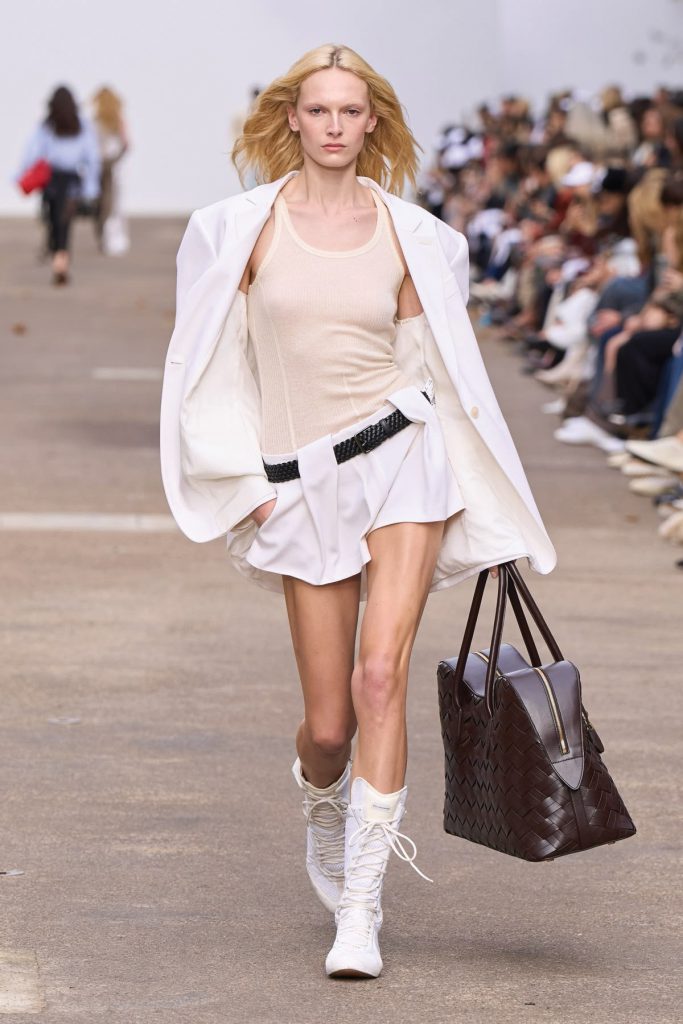 The power of subtlety
Conclude the workweek with a quiet yet commanding presence. Stella McCartney’s sustainable tailoring in clean ivory tones sets the foundation for a composed look. Accessories – including THE ROW’s Margaux bag and modern lace-up heels from Fancì – introduce contrast and edge. A Burberry belt and Loewe earrings evoke a distinctly British sense of chic. A final note of Maison Francis Kurkdjian’s Baccarat Rouge 540 ties everything together in a fragrance as powerful as it is refined.
The power of subtlety
Conclude the workweek with a quiet yet commanding presence. Stella McCartney’s sustainable tailoring in clean ivory tones sets the foundation for a composed look. Accessories – including THE ROW’s Margaux bag and modern lace-up heels from Fancì – introduce contrast and edge. A Burberry belt and Loewe earrings evoke a distinctly British sense of chic. A final note of Maison Francis Kurkdjian’s Baccarat Rouge 540 ties everything together in a fragrance as powerful as it is refined.
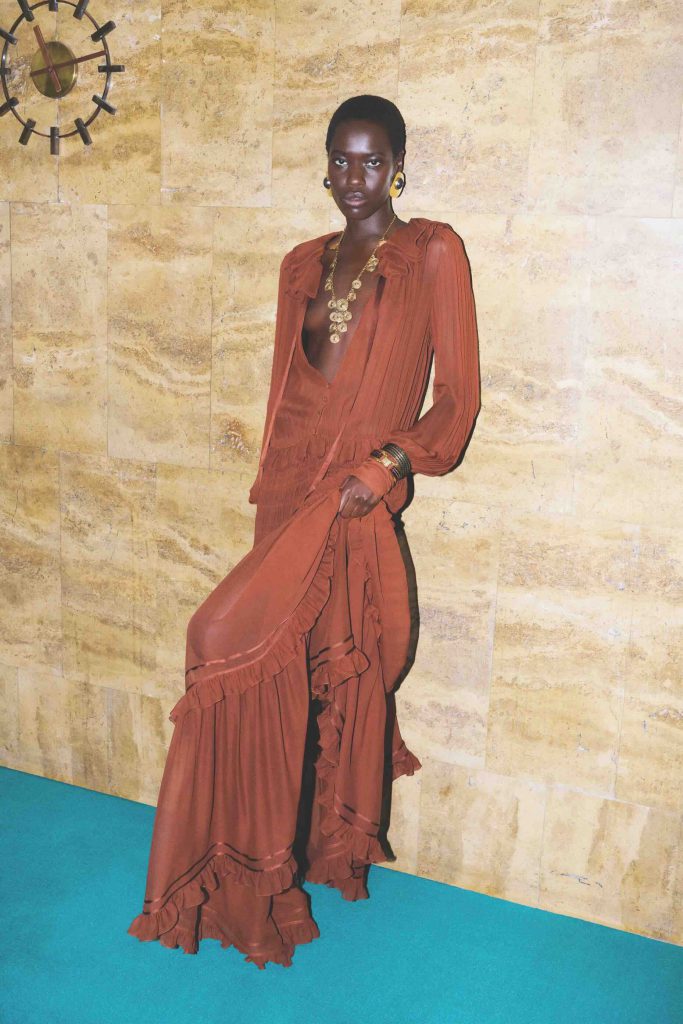 Twilight in motion
As dusk falls, let your evening look glow with warmth and intention. A slashed velvet gown in amber by YSL anchors the outfit with drama and grace. Statement earrings from Alaïa and a raffia clutch by Saint Laurent add texture and tonal harmony. A vintage CHANEL pendant or a piece by Daisy Molecule completes the look. For scent, Jo Malone’s English Pear & Sweet Pea offers a dreamy, airy, and unforgettable finish.
Twilight in motion
As dusk falls, let your evening look glow with warmth and intention. A slashed velvet gown in amber by YSL anchors the outfit with drama and grace. Statement earrings from Alaïa and a raffia clutch by Saint Laurent add texture and tonal harmony. A vintage CHANEL pendant or a piece by Daisy Molecule completes the look. For scent, Jo Malone’s English Pear & Sweet Pea offers a dreamy, airy, and unforgettable finish.
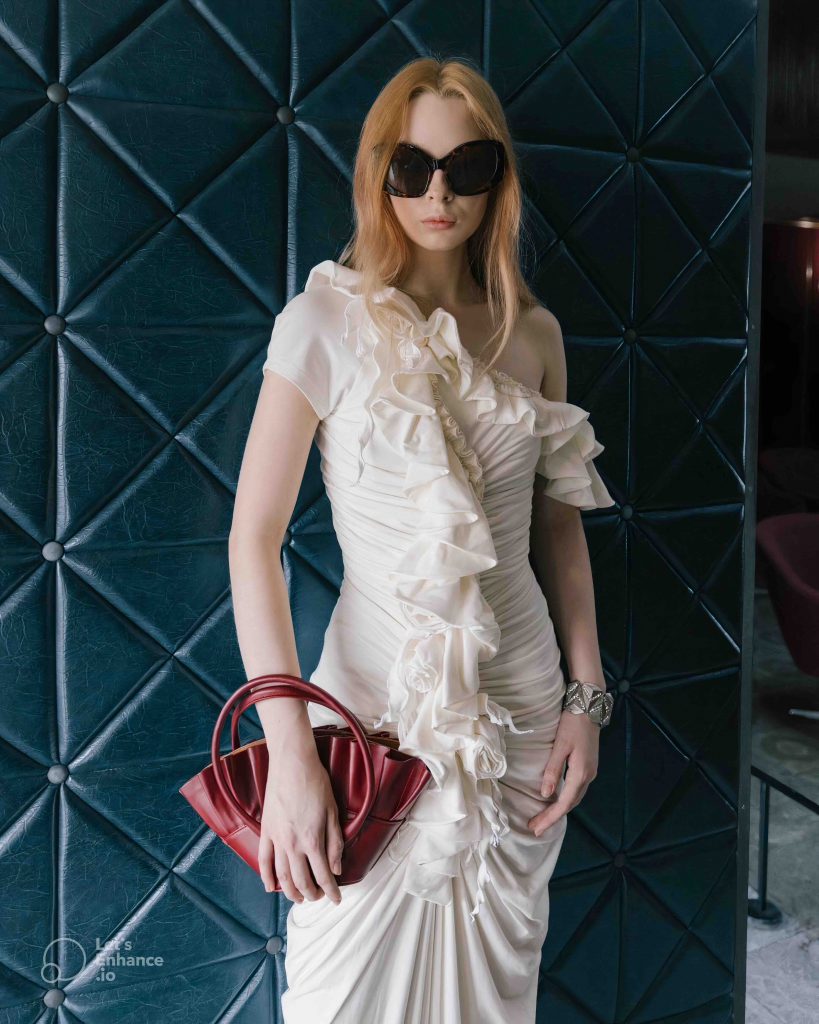 Serenity in style
Close the week with ease and intention. An off-shoulder white dress from Das La Vie paired with Salvatore Ferragamo sunglasses sets a tone of relaxed elegance. Accents from Versace, along with a crimson Harlee shoulder bag and coordinating red Prada heels, provide subtle drama. Kilian’s Voulez-vous coucher avec Moi leaves behind an elegant trail, turning even a quiet Sunday into a moment of self-celebration.[hoasen]
Serenity in style
Close the week with ease and intention. An off-shoulder white dress from Das La Vie paired with Salvatore Ferragamo sunglasses sets a tone of relaxed elegance. Accents from Versace, along with a crimson Harlee shoulder bag and coordinating red Prada heels, provide subtle drama. Kilian’s Voulez-vous coucher avec Moi leaves behind an elegant trail, turning even a quiet Sunday into a moment of self-celebration.[hoasen]